
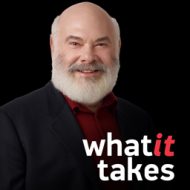
I’ve always been willing to take risks and chances. Often I’m on talk shows and hosts will ask ‘How do you feel about it, when people say you're controversial?’ And I say that, ‘I think if I stop being controversial, I wouldn't be doing my job.’
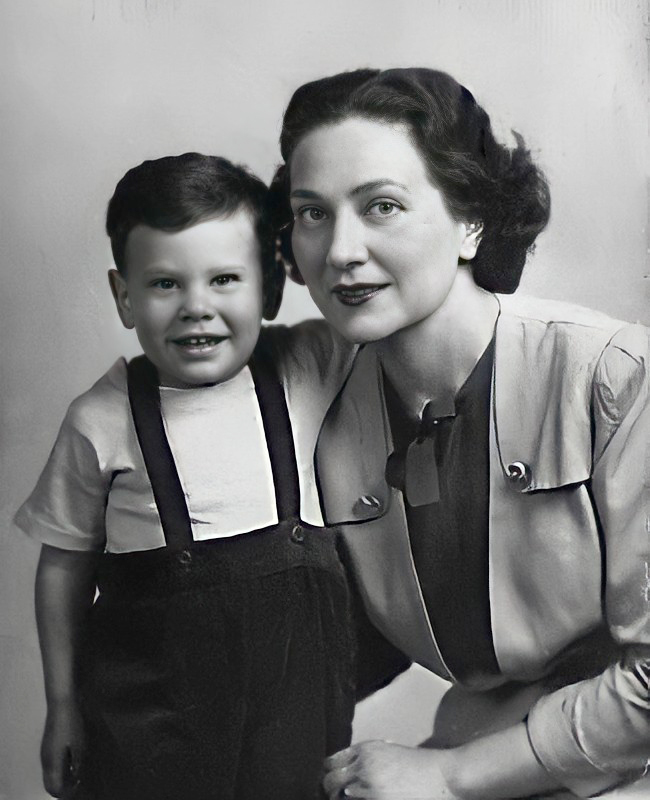
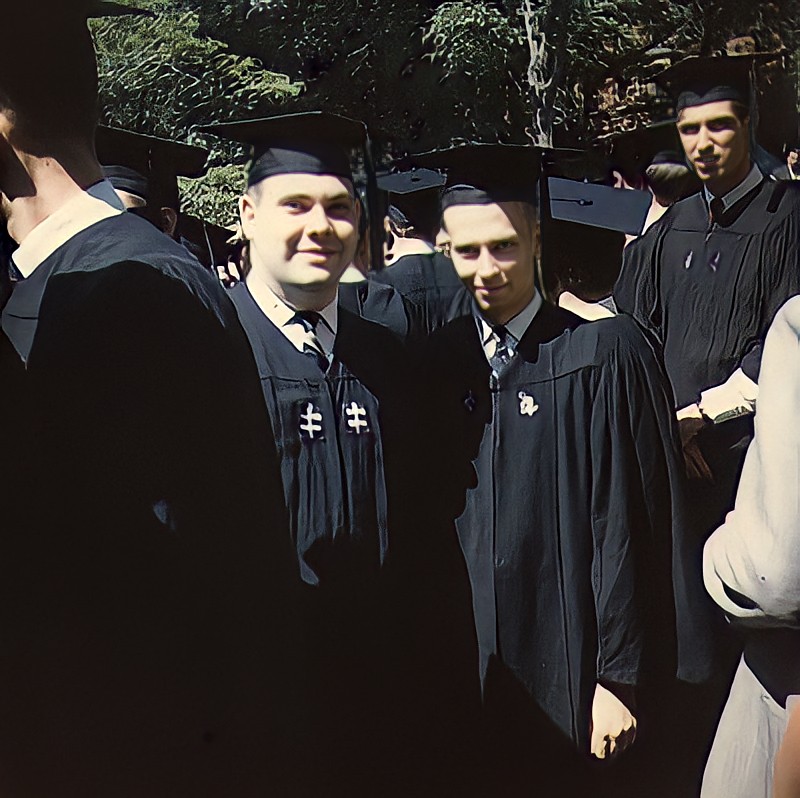
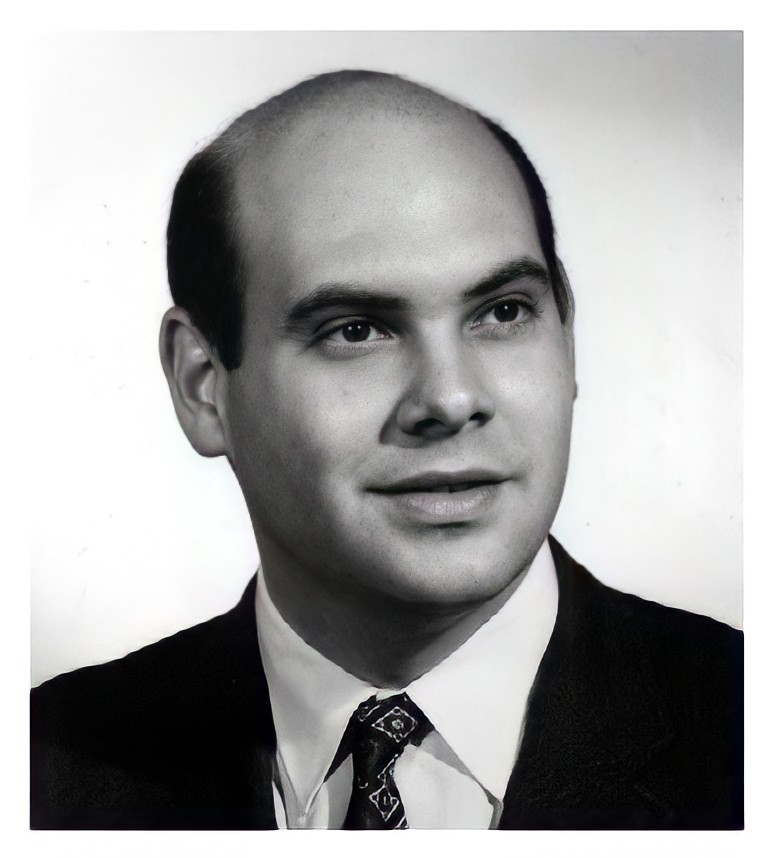
Andrew Thomas Weil was born in Philadelphia, where his parents operated a millinery store. From the beginning, he was an academically gifted student, and on graduating high school, he won admission to Harvard University, where he majored in biology. At Harvard, he studied with the pioneering ethnobotanist Richard Schultes, who ignited his interest in the medicinal plants used in traditional medicine around the world. As a student, Weil also demonstrated a nascent literary talent, serving as an editor of the daily campus newspaper, The Harvard Crimson, and the humor publication The Harvard Lampoon. He graduated in 1964, with a degree in biology, concentrating in botany, writing his senior thesis on the narcotic properties of the common spice nutmeg. Although he was not certain he wanted to pursue the medical profession, he enrolled in Harvard Medical School, believing the training would be valuable to a scientific career. The turbulent atmosphere of the 1960s spread to the halls of the medical school as well, and in his second year, Weil joined a group of medical students who successfully petitioned to be excused from classes and to prepare for their examinations independently. By the mid-1960s, marijuana was the subject of enormous public controversy but there was virtually no scientific literature on its actual properties. In his final year of medical school, Weil undertook a serious clinical study of the drug, the first of its kind, and his results became the subject of widespread discussion in the press.
Weil received his medical degree in 1968, and carried out an internship at Mt. Zion Hospital in San Francisco. The hospital served the Haight-Ashbury neighborhood, the center of the ‘60s counterculture at its height, and Dr. Weil had numerous opportunities to observe the effects of hallucinogens and addictive drugs. The following year, he accepted an offer from the National Institute of Mental Health to direct a study of psychoactive drugs, but he felt constrained by the political atmosphere of Washington and soon returned to independent research. In 1971, Dr. Weil joined the staff of the Harvard Botanical Museum and received a fellowship from the Institute of Current World Affairs. He spent three years traveling throughout the Americas and Africa, studying the use of medicinal plants in the traditional practices of indigenous peoples.
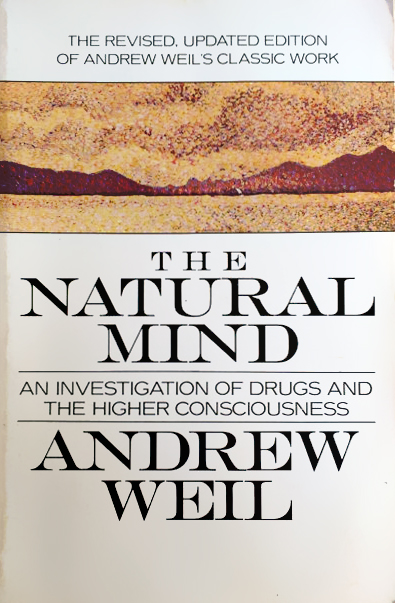
During this period, he published his first book, The Natural Mind (1972). In this work, Weil first iterated his thesis that psychoactive drugs are used to access capacities that already exist within the mind and that can be experienced without the use of drugs. He elaborated on this theme in The Marriage of the Sun and Moon (1980), and a comprehensive study of mind-altering substances, From Chocolate to Morphine (1983). In this book, he argued that the pursuit of altered states of consciousness through intoxicants has been a constant throughout human history, and is rooted in natural drives that are not innately self-destructive, but can be channeled in healthy directions. Beginning in the mid-1970s, in a variety of mass-circulation publications, he argued for reform of government drug policy.
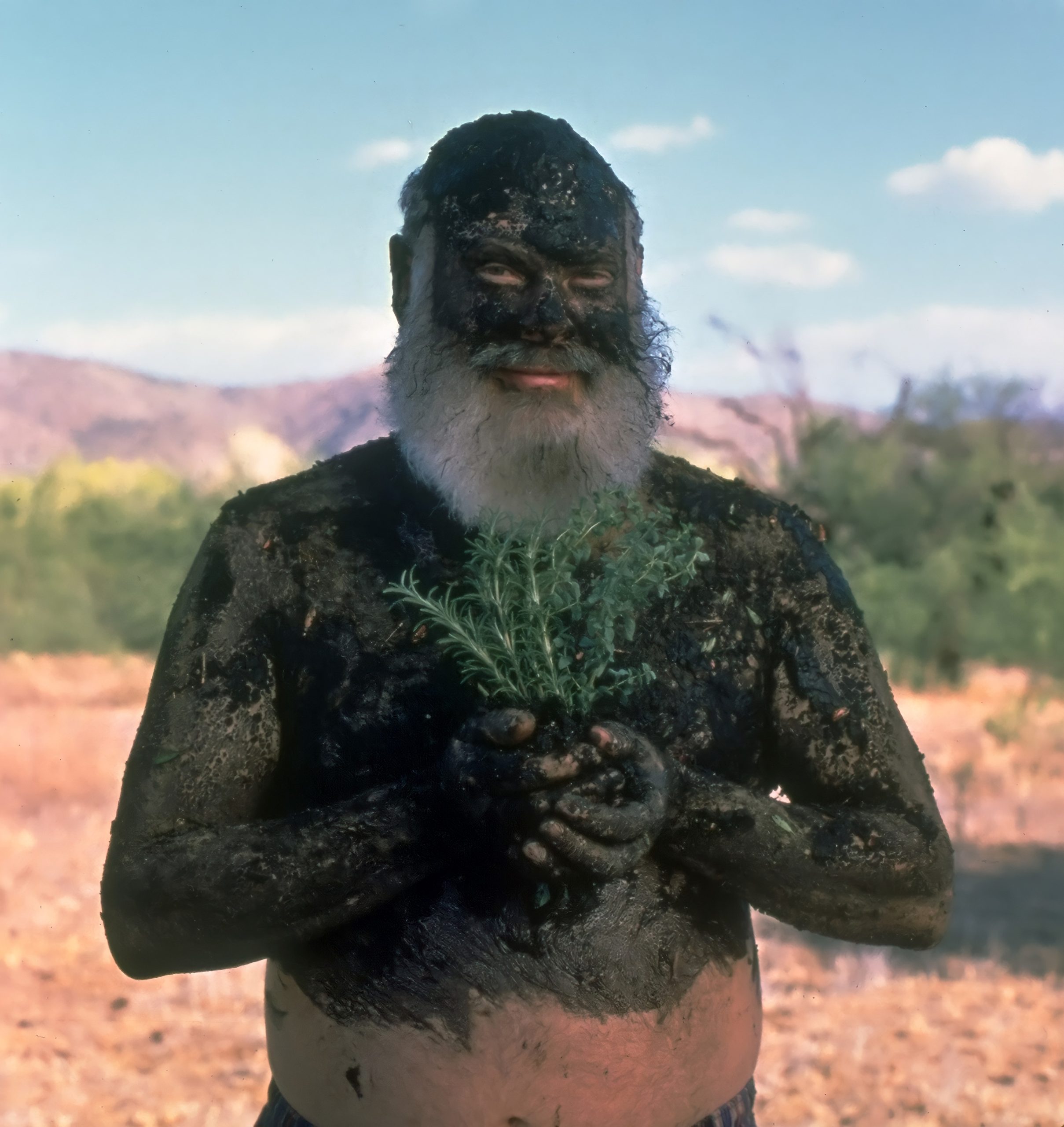
Meanwhile, he continued his research, comparing the effects of organic compounds with synthetic pharmaceuticals. Noting that humans and plants evolved concurrently in the same environments, he came to believe that organic substances are more beneficially assimilated in the human body than synthetic ones. Dr. Weil sought to apply his discoveries by fusing the practices of alternative medicine with conventional medical practice in an approach he defined as “integrative medicine.” Emphasizing nutrition, exercise and stress reduction to maintain the body’s natural healing systems, he supports the use of conventional medicine for more radical intervention in the event of health crises. He presented these ideas to a general audience in Health and Healing: The Philosophy of Integrative Medicine (1983).
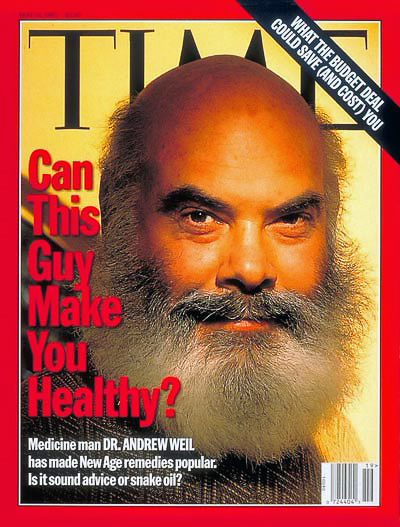
In 1983, Dr. Weil joined the faculty of the University of Arizona College of Medicine as a clinical professor, and also taught in the department of family and community medicine. At the same time, he maintained a general medical practice in Tucson, focusing on natural and preventive medicine and diagnosis. In the following years, he established the Foundation for Integrative Medicine and served as editor-in-chief of the journal Integrative Medicine.
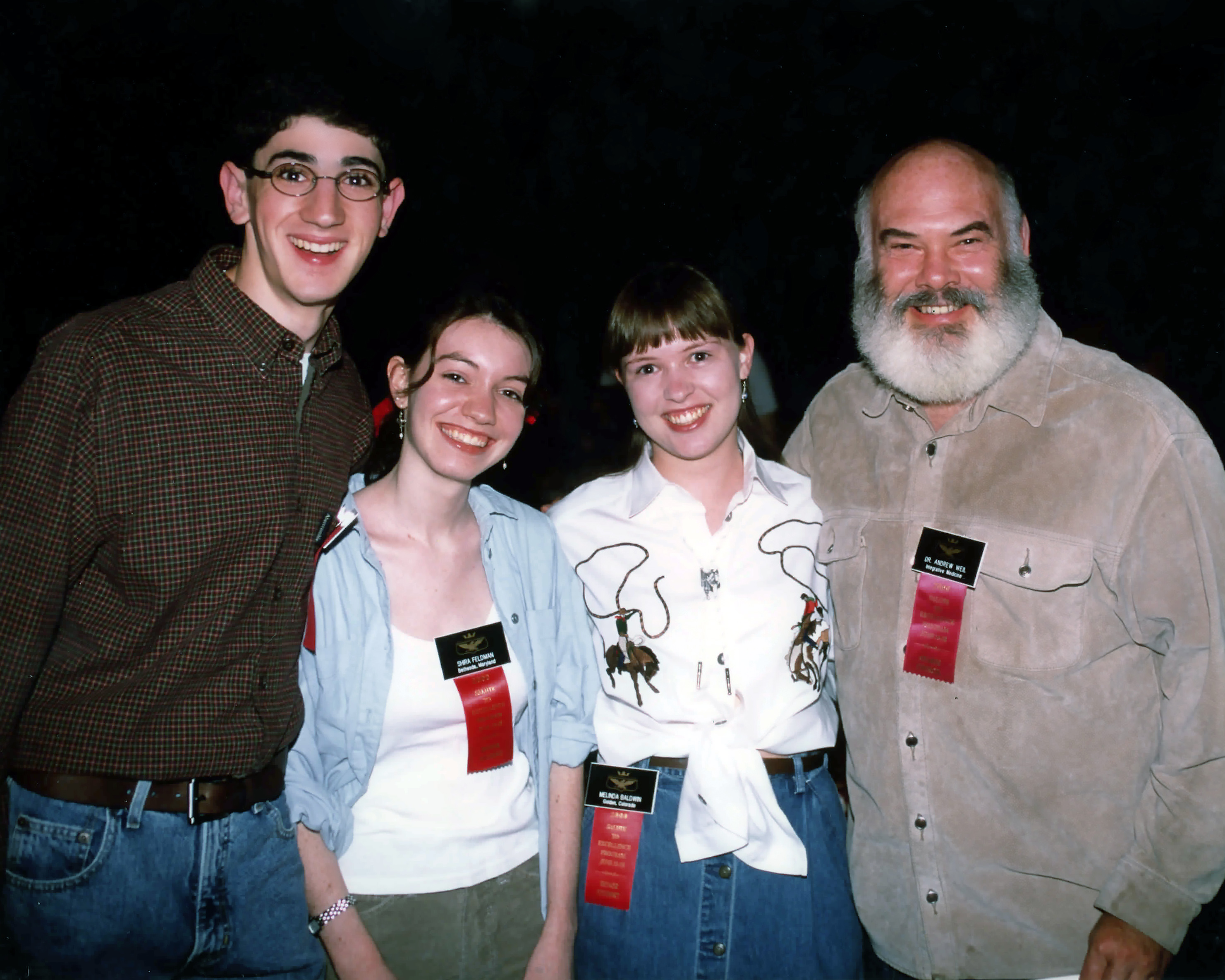
In 1994, he founded the Program in Integrative Medicine at the University of Arizona in Tucson. Today, it is known as the Arizona Center for Integrative Medicine, and Dr. Weil serves as its program director. The center has trained hundreds of physicians, physician assistants and nurse practitioners in the techniques of integrative medicine.
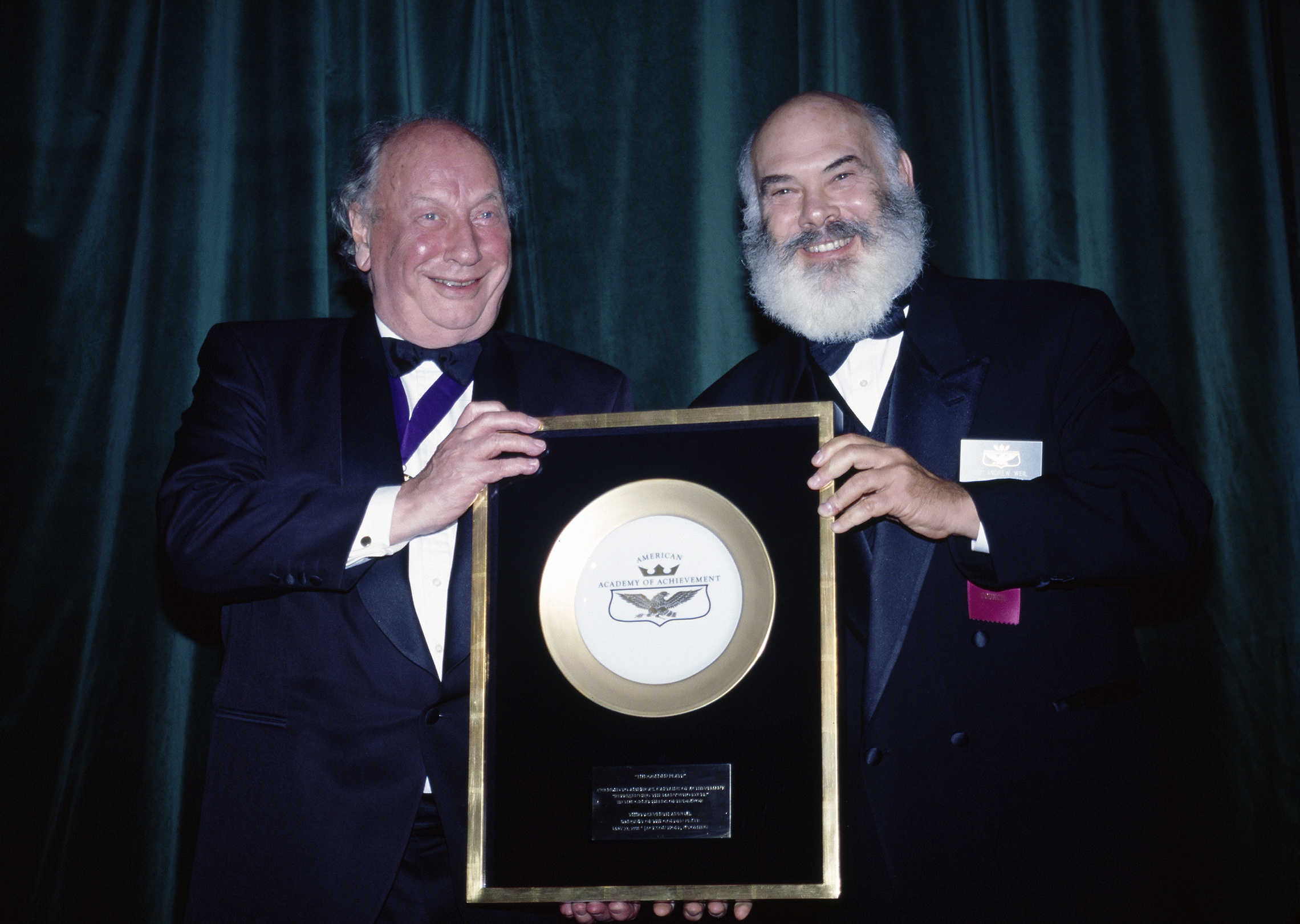
Dr. Weil has continued to present his teachings to the general public through a series of bestselling books: Natural Health, Natural Medicine (1995); Spontaneous Healing (1995) and Eight Weeks to Optimum Health (1997). In The Healthy Kitchen (2002), he encouraged readers to consume more whole, unprocessed foods and organic produce, and to reduce the consumption of meat and dairy, replacing it with the protein and omega-3 fatty acids found in nuts and fish.
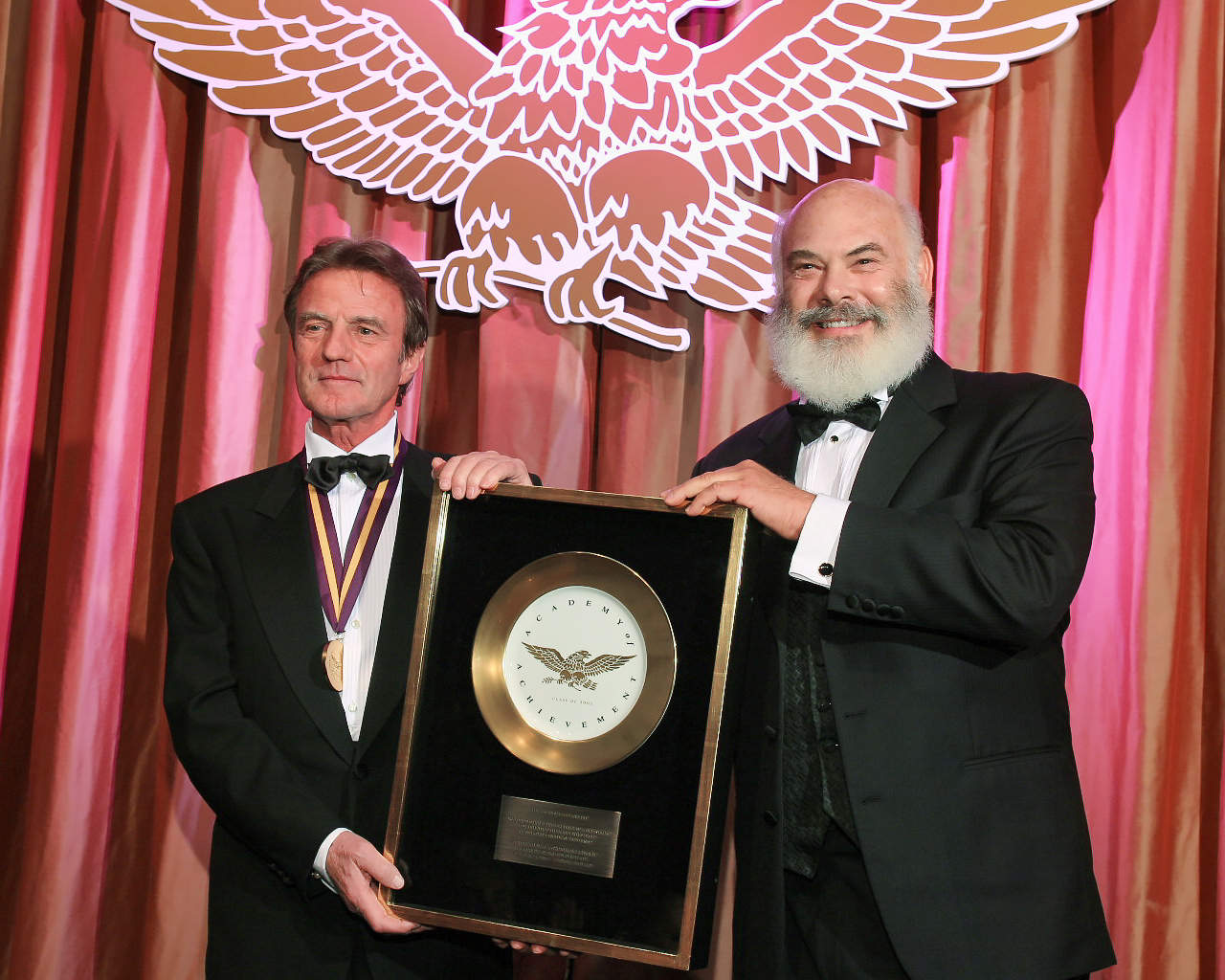
As Weil and his contemporaries have aged, he has addressed the challenges of maturity in books such as Healthy Aging (2005). Integrative Oncology (2009) applies the principles of integrative medicine to the treatment of cancer, while Why Our Health Matters (2009) treats more general questions of public health in a larger social context. In addition to more books on diet and nutrition, has written extensively health and the mind-body connection in books such as Mind Over Meds (2017).

Americans spend $30.2 billion a year on alternative and complementary medicines and procedures. None of it is covered by insurance. Half of the money — $14.7 billion — was spent visiting acupuncturists, homeopaths, and massage therapists. Natural product supplements, excluding vitamins and diet supplements, cost $12.8 billion. And, $2.7 billion was paid for self-care, including expenses for books on diet-based therapies, mediation, biofeedback and other treatments. $30.2 billion is only one percent of the nation’s total health care bill of $2.82 trillion. But the $12.8 billion spent on natural product supplements is 24 percent of the $54 billion spent on prescription drugs, and the $14.7 billion in visits for alternative procedures, is almost a third of the out-of-pocket expenditures for visits to conventional physicians. Dr. Andrew Weil focuses on bridging the gap between the conventional and alternative health professions, because he believes that they have a tremendous amount to learn from each other.
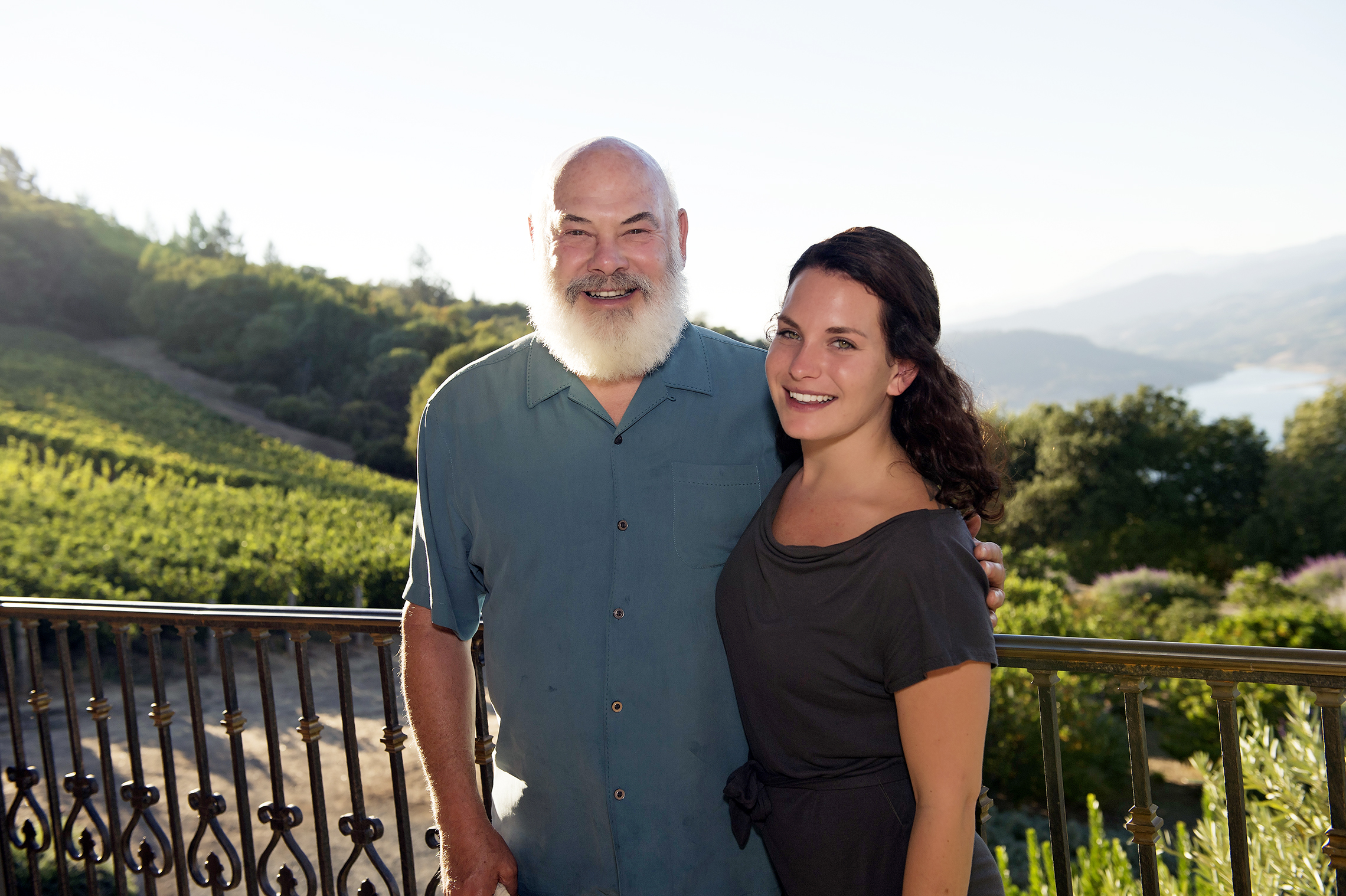
Through Dr. Weil’s books, and the success of the Arizona Center, his ideas have gained widespread acceptance, and integrative medicine programs have been established at dozens of institutions, including the Mayo Clinic, Georgetown, Duke and Columbia Universities, and at Dr. Weil’s alma mater, Harvard Medical School. The Integrative Medicine in Residency Program is now a part of primary care residency education at 74 sites, with more than 1,500 alumni around the world.
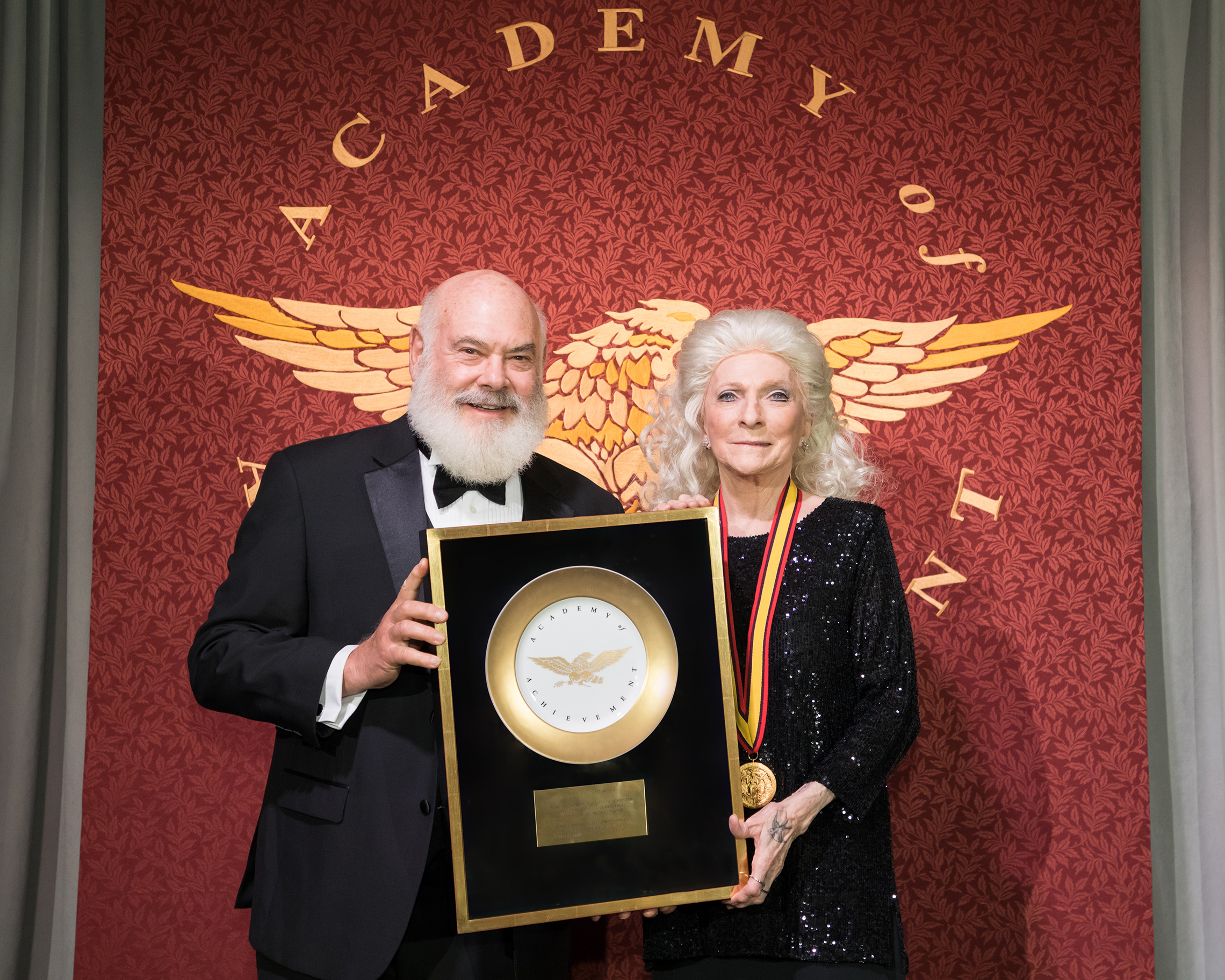
Over the years, Andrew Weil made substantial donations to the University of Arizona Center for Integrative Medicine from the considerable earning of his books and business ventures. By 2019, these gifts totaled $5 million. In spring of that year, he announced a gift of an additional $15 million, establishing an endowed chair in integrative medicine, another for research, and an endowed program fund. The center will henceforth be known as the Andrew Weil Center for Integrative Medicine. Dr. Weil’s gift assures that the University of Arizona will remain the world’s preeminent center for integrative medicine education, research and discovery
While Dr. Weil continues an active schedule of writing and public speaking, he also communicates directly with the general public through his popular website feature “Ask Dr. Weil.” He makes his home near Tucson, Arizona.
“I think if I stop being controversial I wouldn’t be doing my job… I’m interested in things that don’t fit established conceptions… that don’t fit accepted models, and in trying to determine what’s true and useful.”
Andrew Weil’s first public controversy came when he was still a student at Harvard Medical School in 1968. His laboratory study of the effects of marijuana in human subjects was the first of its kind. The medical school would not permit him to perform the research on campus; he was forced to use the facilities of nearby Boston University instead. His conclusions, published in Science while he was still an intern, were widely condemned.
Dr. Weil continued on his own path, traveling widely to collect information on drug use in other cultures, on medicinal plants, and on alternative methods of treating disease. At the University of Arizona College of Medicine, he has led the first effort to change medical education to include information on alternative therapies, mind/body interactions, natural healing, and other subjects not usually emphasized in the training of physicians.
He has brought his findings to the general public through seven books, including the international bestsellers Spontaneous Healing and Eight Weeks to Optimum Health. A frequent lecturer and guest on talk shows, Dr. Weil is an internationally recognized expert on drugs and addiction, medicinal plants, alternative medicine, and the reform of medical education.
We understand you studied botany as an undergraduate, but you were a medical student at Harvard when you undertook the first major clinical study of marijuana. How did that come about?
Andrew Weil: In the ’60s, before I left the field of botany, marijuana was beginning to cross the line into the middle class in this culture, especially among students and young people, and there was an astonishing absence of scientific information about it. People were giving all sorts of opinions about what marijuana did, and there was almost no human research on it. In fact, there had only been two times in history that people have given marijuana to human subjects to see what it did. The last time had been in 1944, before the double-blind method was used. So there was almost a complete absence of scientific information about marijuana, but that didn’t stop lots of people from giving expert opinions on it.

What was the reaction of the school to that request?
Andrew Weil: This was in my senior year at Harvard Medical School. I devoted my whole senior elective time to research. I found another faculty advisor, Norman Finberg, a psychoanalyst who was another mentor of mine who was very interested in addictions.
I proposed doing a basic human study, using a double-blind method to find out the most basic questions about marijuana. First of all, I wanted to find out whether you could study it in the laboratory, how it affected basic vital functions and basic psychomotor functions. This was a big step to take. There was no legal mechanism for getting marijuana for research. There were many different federal and state agencies that were involved. A lawyer who was very interested in marijuana legal issues bet me that I would never be able to obtain permission to get marijuana to do human research. The attitude of the school was, they were very upset, the Human Subjects Committee. Because one of our experimental designs was that we wanted to give marijuana to people who never had it before, because we felt that expectation played an enormous role in determining the effects of marijuana. And people who had previously used it had expectations of what it would do. The Human Subjects Committee of the school took the position it would be unethical to expose people to marijuana who had never been exposed to it. We ended up doing the research at Boston University School of Medicine, because Harvard wouldn’t let it be done on their premises. And there was a lot of contention here, I mean, there were a lot of negotiations with many agencies and bureaucracies.
Did you feel that some of these ethical questions were valid?
Andrew Weil: I think they were valid, but they were surmountable. I think we had answers to them. The fear of the Human Subjects Committee was that one exposure to marijuana in a scientific experiment would lead people to become heroin addicts and then they would sue the university. I think that was a very unrealistic fear. There’s very little research to show that people who experiment with marijuana go on to use opiates for example.
It was a very interesting time. We did the experiments and got away with it, and got some very good publishable papers out of it. The main results were published as a lead article in Science in 1968. I think this was the first time it had been shown that you could study marijuana in a laboratory and deal with the various physical, social, ethical and medical problems that came up around that.
You got some pretty amazing results.
Andrew Weil: This was front-page news in The New York Times. Some people were upset by our conclusions, because we said that marijuana in these experiments seemed to be a relatively mild intoxicant. The effects were very heavily conditioned by people’s expectations. People who had no expectation often couldn’t tell whether they had smoked a placebo or smoked real marijuana. I think the results of those experiments have been validated over time. The paper has actually been reprinted a number of times as a model of clinical research.
That must be a source of immense pleasure to you, but at the time of the criticism you were a young man, and it could have had a negative impact on your career.
Andrew Weil: I’ve always been willing to take risks and chances. The most common word that I’ve heard used about the work I do is “controversial.” These days it’s less controversial. Often I’m on talk shows, and hosts will ask, “How do you feel about it, when people say you’re controversial?” And I say that, “I think if I stop being controversial I wouldn’t be doing my job.” I mean, this is just the kind of thing that I hone in on. I’m interested, as I said, in what doesn’t fit established conceptions, in looking at things that don’t fit accepted models. And in trying to determine what’s true and useful.

It’s also interesting that you’re applying firm, solid science, without necessarily advocating any particular conclusion.
Andrew Weil: Exactly. That’s been difficult for people to understand sometimes. Especially in my early work, I did a lot of work in the late ’60s and early ’70s in the field of addictions and psychoactive drugs. One of the products of that work was my first book, The Natural Mind, which laid out a theory that humans are born with an innate need to alter their consciousness, and considered the psychological and social implications of that. This need can be satisfied in many ways, drugs being just one of them. That was indeed a very controversial book. Later I wrote a book called From Chocolate to Morphine, which was a review of all drugs that can affect the mind. And there was an organized attempt, this was in the early 1980s, to ban the book. And a prominent senator from Florida stood up on the floor of the Senate and waved the book around and said that this was a very dangerous book, because it was neutral, that it didn’t tell people to not use substances. And that’s exactly what I aimed for; I wanted to put out neutral information. And I think that when you’re working in situations that are very polarized, often neither side understands the middle position. You know, the position of neither advocating nor discouraging, of just trying to carve out a balanced path.

How do you live with that? It must be difficult.
Andrew Weil: It has been difficult. As I moved from writing about addiction, drugs and consciousness, to writing about health and medicine, I soon realized this was no less a controversial area to operate in. When I first became interested in alternative medicine in the early ’70s and began writing about it, I saw the same kind of polarization I had seen around the drug issues. “You’re for it or against it!” There were very few people who were trying to bring science to bear on these questions, and carve out a kind of middle position. I have a very strong sense of my own — of what’s right — and I’m able to operate fairly independent of all that kind of storm that goes on. And maybe I would relate that to my upbringing, and as I said, being an only child and having learned to be independent, and think for myself, and operate on my own. I would say, more than difficult, it was lonely for a long time. Because there were not other doctors out there who were advocating the kinds of things that I was doing. And I was often attacked from both sides. From the alternative side for being too mainstream, and from the mainstream side for being too alternative.
In many cases that means you’re on to something.
Andrew Weil: Well, I stayed with that something, and it’s been quite remarkable to watch the culture catch up with that.

Was your book The Natural Mind another theory that came from observation?
Andrew Weil: It came from my own experience, which I’ve always drawn on. I spent a lot of time in South America, and I learned Spanish very well. One of the things I was delighted to discover was that in Spanish, and other Romance languages, the words for “experience” and “experiment” are the same word. In Spanish, “esperimentar” means both to experience and to experiment. There’s a very interesting lesson there that we miss in English. That experience is a source of experimentation. One way to experiment is to look to your own experience. I have never been able to understand how people trying to investigate some phenomenon would rule out their own experience as one source of information about that phenomenon. For example…
One of the pieces of information that I put in The Natural Mind was looking at the phenomenon of young children spinning to change their consciousness, whirling or spinning. You know, this appears at very young ages in all cultures. Every culture that I’ve ever been, kids spontaneously discover that by spinning they can drastically change their experience. Now, when I saw this it resonated with my own experience. I remember doing this as a child. So I’m interested in other people doing it. And then when I begin talking to experts on child behavior, and they tell me they’ve never seen this or there’s no literature on it, that’s the kind of thing that really catches my attention. This looks like something that’s pretty important. You know, what is it? Where does it come from? And why isn’t it studied? That was one of the pieces of evidence that I brought into The Natural Mind, arguing for an inborn drive to change consciousness.
In other words, we often do it ourselves, without resorting to drugs or substances.
Andrew Weil: Sure. We do it all the time. Drugs are just one way of satisfying that need. The advantage of drugs is that they provide these experiences immediately and there’s no requirement for work. The disadvantage of drugs is that when they wear off you haven’t learned anything. They don’t teach you how to do it the next time. If you rely on the drug as the way of changing consciousness, that leads to dependence on drugs. The other point I made in The Natural Mind was that the experiences people have come from within, they come from the nervous system. The drug, or whatever other external thing is done, is a trigger or releaser of that innate experience.

From your early work on altered consciousness you turned to the study of the body’s natural defenses in your book Health and Healing. What motivated this transition?
Andrew Weil: I think this is a very logical flow from my earlier work with altered states of consciousness. As I said, the main point of The Natural Mind was that experiences that people have when they take mind-altering drugs come from within them. The high comes from the nervous system and the drug acts as a releaser.
The view that I developed about healing is very analogous to that. Healing comes from within. It can be elicited by treatments, but that healing actually originates within the body. That perspective was not present in medicine at all, at the time that I laid it out, although historically it had been.
Hippocrates, for example, told us to revere the healing power of nature. In that book, Health and Healing, I quoted a motto that I had come across at Harvard Medical School, probably from the previous century: “We dress the wound, God heals it.” This is a statement of that same thing, of the relationship between treatment and healing. At the time that I was writing about this, that view was completely missing from medicine. There was really no research on healing, no interest in healing. The word “healing” was not much used in medicine. I became very fascinated with healing and what it is and where it comes from. And my idea, which I have since developed and feel absolutely convinced of is that healing is a natural phenomenon, it’s something that’s rooted in nature, that’s inherent in the body. We are born with a healing system, with the capacity for self-repair, regeneration. And that the business of medicine is to facilitate that process.
That’s a delicate line.
Andrew Weil: It’s a very delicate line. But I think the majority of patients and physicians today still think that help has to come from outside if they get sick. And what I’ve tried to do is to build up people’s confidence about their own inner resources. I think that the best medicine works by facilitating or unblocking the healing process, or activating the healing process.

Can you give some examples?
Andrew Weil: Look at what happens when you cut your finger. You don’t have to go to a finger healer, you don’t have to pray for your finger to heal, all you have to do is make sure it’s clean and it will heal. That’s all the evidence you need that the body has the capacity to repair itself. I find it easier to talk with kids about the body’s healing system than I do with many of my colleagues. All you have to do with a kid is say, “Watch what happens when you get an owie,” and you can see that the body has that capability. Here’s an example that’s a little more complicated. If you have a patient with a bacterial pneumonia who’s acutely ill and you put them in the hospital and give them intravenous antibiotics and 48 hours later they’re out of danger, I think most people would interpret that as being that the antibiotic caused the cure. And what I’m asking people to do is to look at it a little differently. What the antibiotic does in that circumstance is to knock populations of germs down to a level where the immune system can take over and finish a job that it couldn’t do because it was overwhelmed. And to me, that’s a model for how our treatments work at their best. It’s not that they work directly to produce a cure, they work indirectly by impinging on innate mechanisms of healing.

Once again, it’s the limited use of drugs or conventional medicine to do what you need to do, and then rely on other things.
Andrew Weil: The first step that I take in assessing a patient is whether there is something there that demands immediate conventional intervention. You know, I think the greatest sin that you could make in this field is to miss the diagnosis of a condition for which conventional medicine works very well. So that’s the first thing, is to rule that out. If that’s not present, then you have a lot of latitude in experimenting with other methods. But even if you use the conventional methods, I think there are — it is often worth supporting the body in ways that can reduce the toxicity of those methods or increase their efficacy.