
I taught myself how to do research, how to dig out the pieces... I discovered in the process that, contrary to the notion that the past is a dead thing, that in fact wherever you scratch the surface, you find life. And it was the life, the people and what happened to them, that was the pull for me.
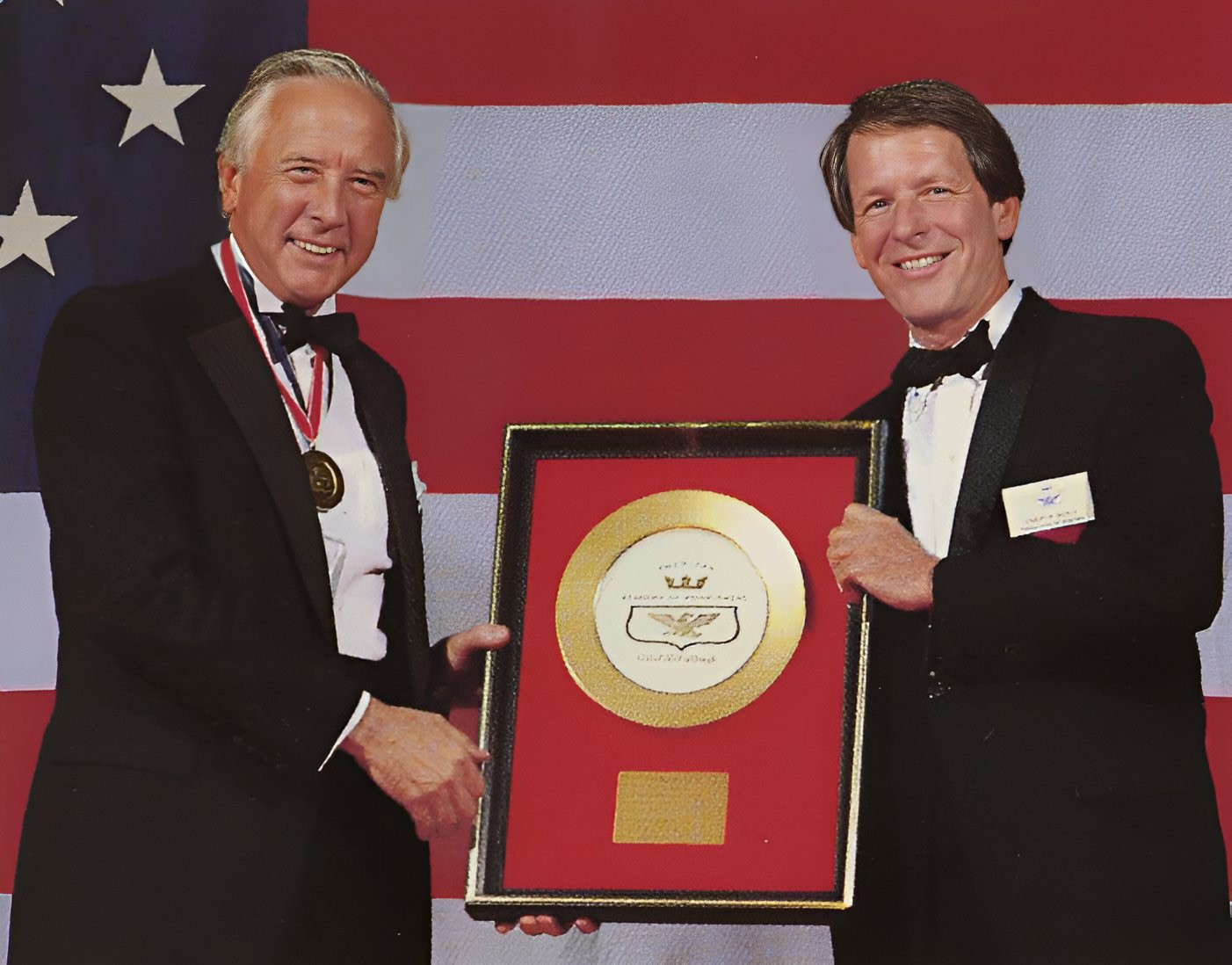
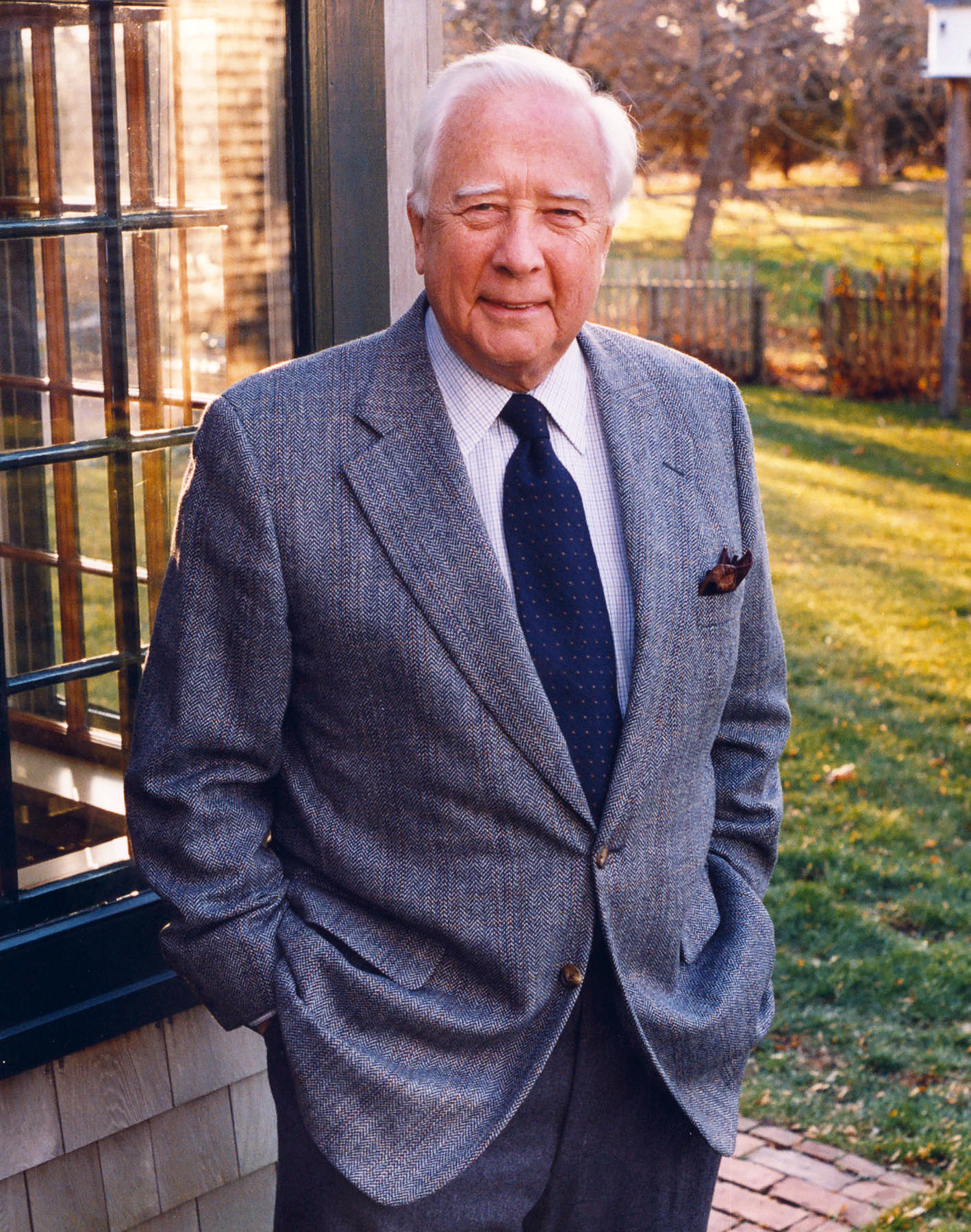
David McCullough was born and raised in Pittsburgh, Pennsylvania. As a student at Yale he met the author Thornton Wilder, and after considering careers in politics and in the arts, was inspired to become an author. While at Yale, he met his future wife, Rosalee Barnes, a student at Vassar. After college McCullough moved to New York City and worked as an editorial assistant at Sports Illustrated. “Swept up by the excitement of the Kennedy era,” he moved to Washington and became an editor and writer at the United States Information Agency. In 1964, he became a full-time editor and writer for American Heritage, the publisher he sometimes calls “my graduate school.” By this time David and Rosalee had married and started a family. He wrote his first book at night and on weekends while working full-time. The Johnstown Flood, inspired by the great catastrophe that struck his native region in 1889, was an unexpected bestseller in 1968. Its success emboldened him to quit his job and commit to a full-time writing career.
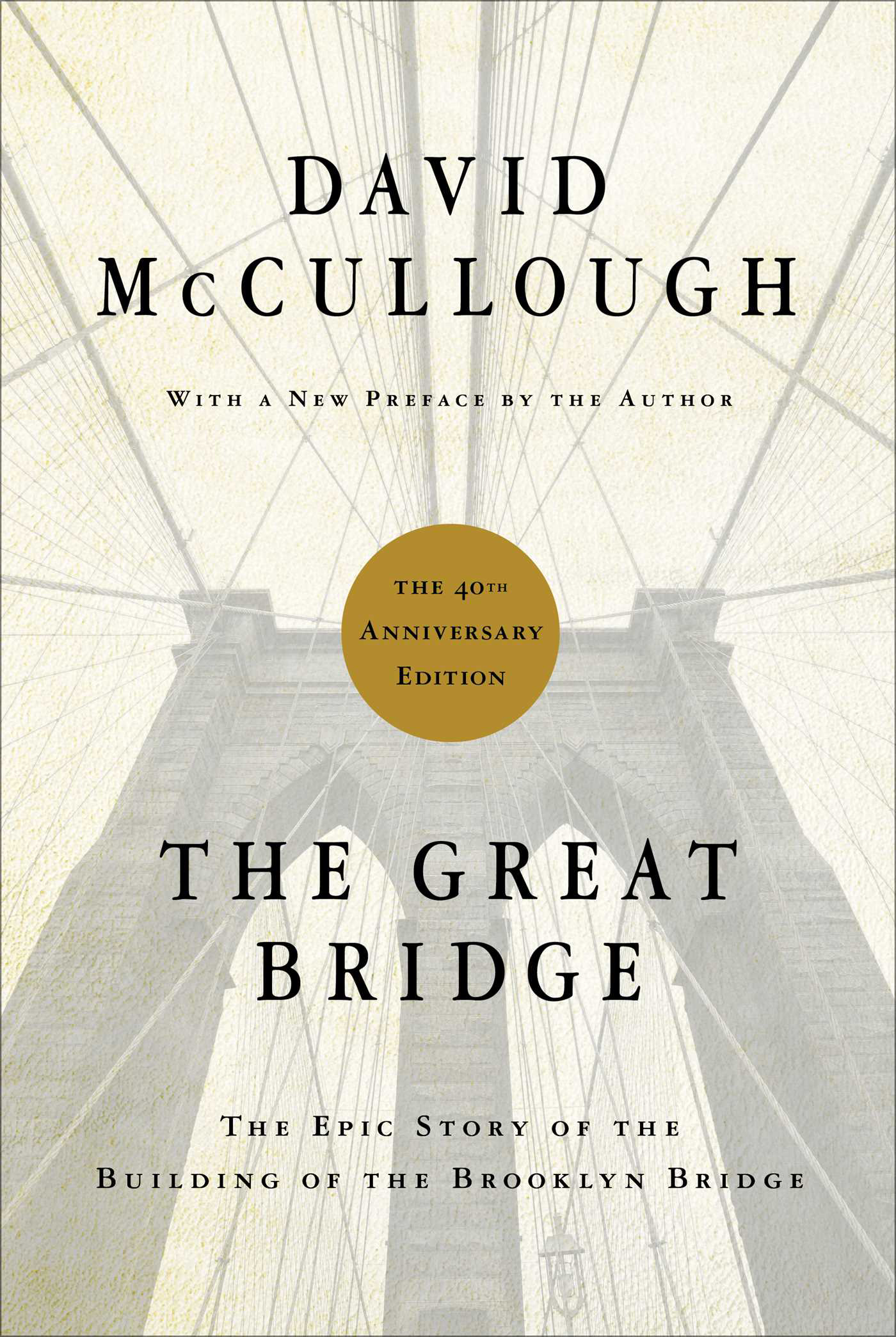
Since then he has published a series of distinguished works of history and biography, all of which have won enormous popularity with the reading public. The Great Bridge (1972) recounted the building of the Brooklyn Bridge. The book has served as the basis of a memorable documentary film, which was nominated for an Academy Award.
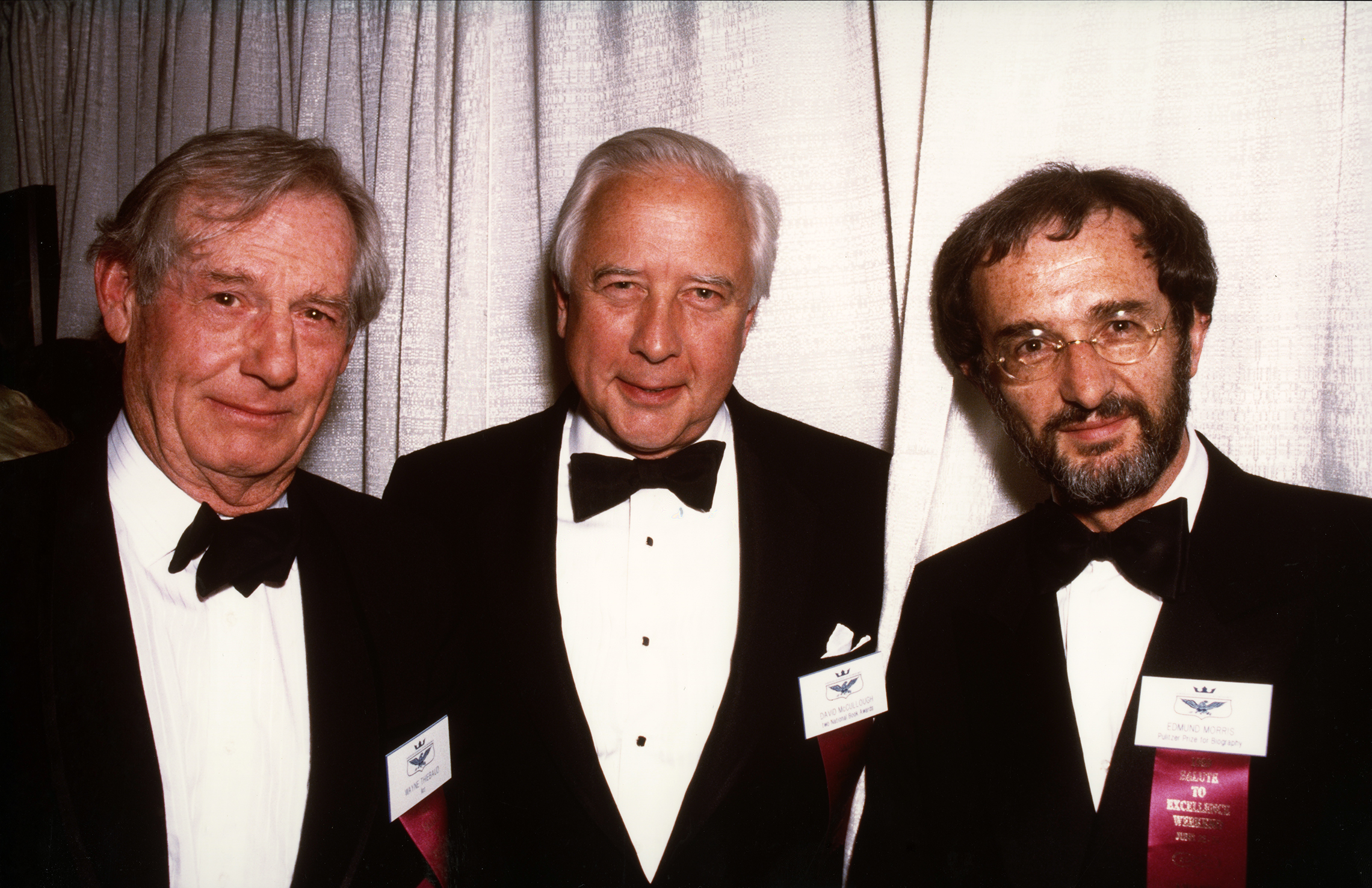
McCullough’s own voice was heard as the narrator of this film, and of The Johnstown Flood. He was also one of the voices of Ken Burns’s The Civil War, and has hosted a number of public television programs, including The American Experience and Smithsonian World.
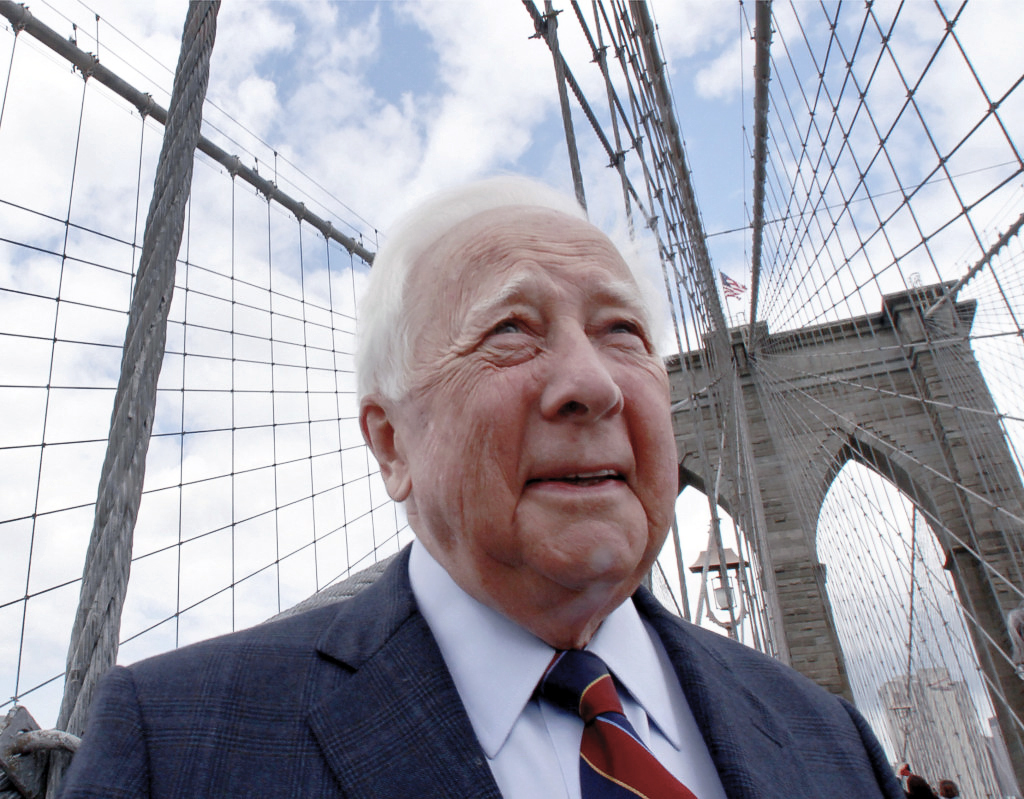
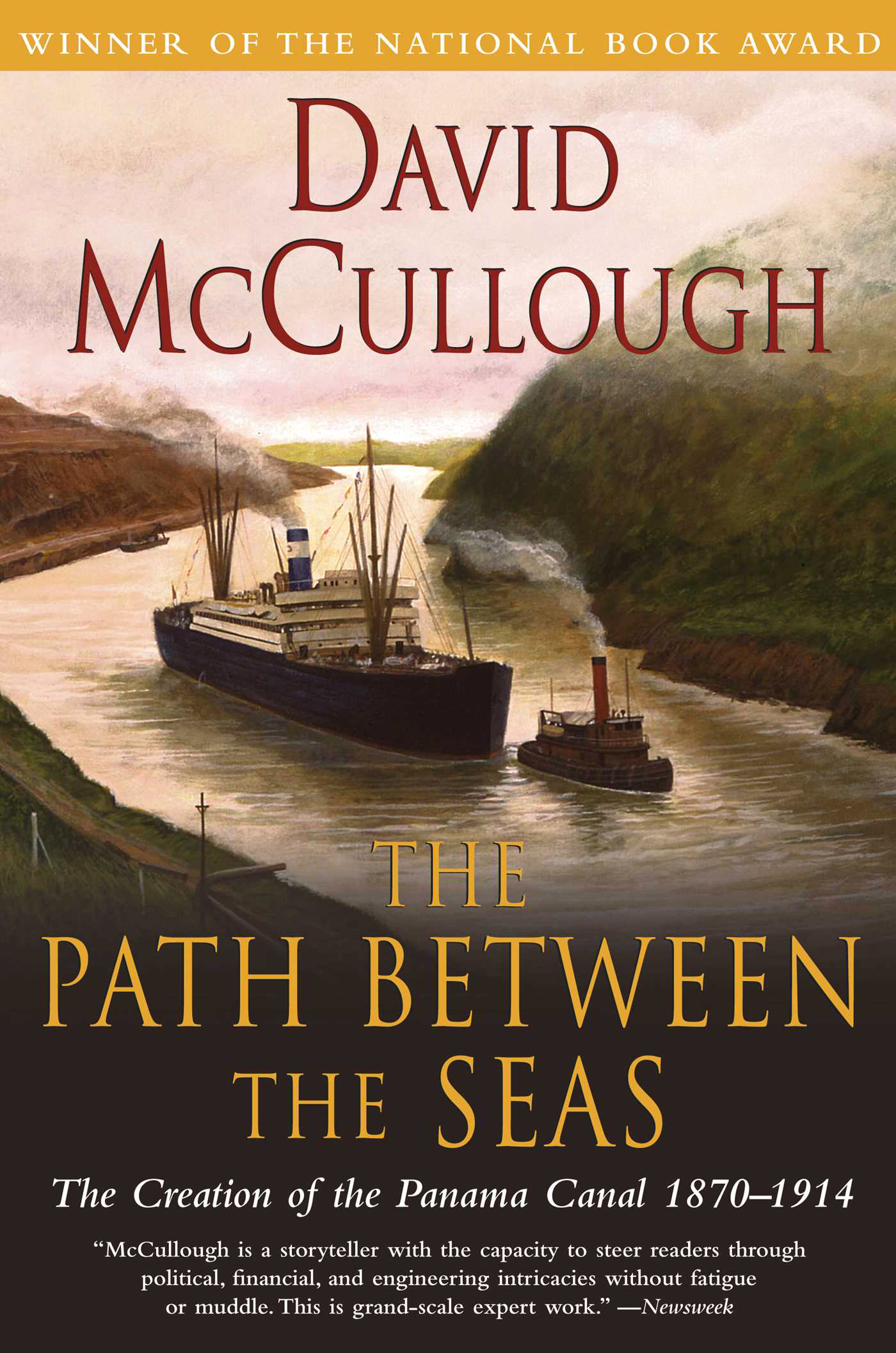
McCullough’s story of the Panama Canal, The Path Between the Seas (1977), was an instant bestseller, acclaimed by the publishing industry and the historical profession. It was honored with the National Book Award for History, the Cornelius Ryan Award, the Samuel Eliot Morison Award, and the Francis Parkman Prize from the American Society of Historians. It also helped influence history, playing an important part in determining the nation’s policy concerning the future of the Canal. It had a profound influence on American policy and public opinion in the late 1970s, as the country debated the future of the Canal.
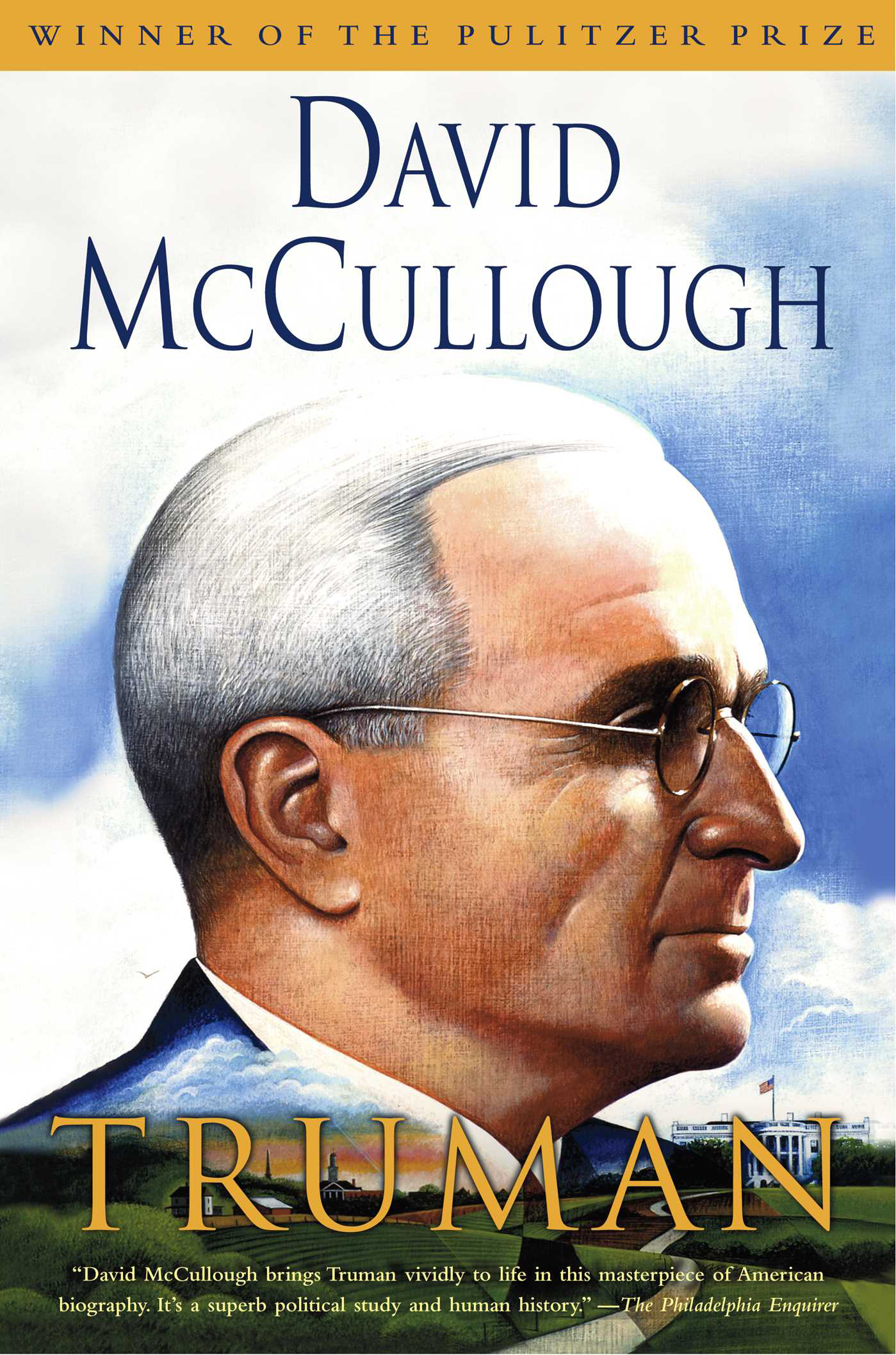
In Mornings on Horseback (1981), McCullough recounted the youth of President Theodore Roosevelt. The book won McCullough a second National Book Award, this time for Biography. In the 20 years since, McCullough has taken a special interest in the lives and character of America’s presidents. He was awarded his first Pulitzer Prize in 1993 for his biography of President Truman, and he is frequently called upon to discuss the presidency in the news media.
At the time of his interview with the Academy of Achievement, David McCullough had begun work on a dual biography of John Adams and Thomas Jefferson. The second and third presidents were allies in the struggle for independence but became bitter rivals in the early years of the republic. After their back-to-back presidencies, they reconciled and carried on a warm and fascinating correspondence for the rest of their lives. By an extraordinary coincidence, they died on the same day, July 4, 1826, the 50th anniversary of America’s independence.
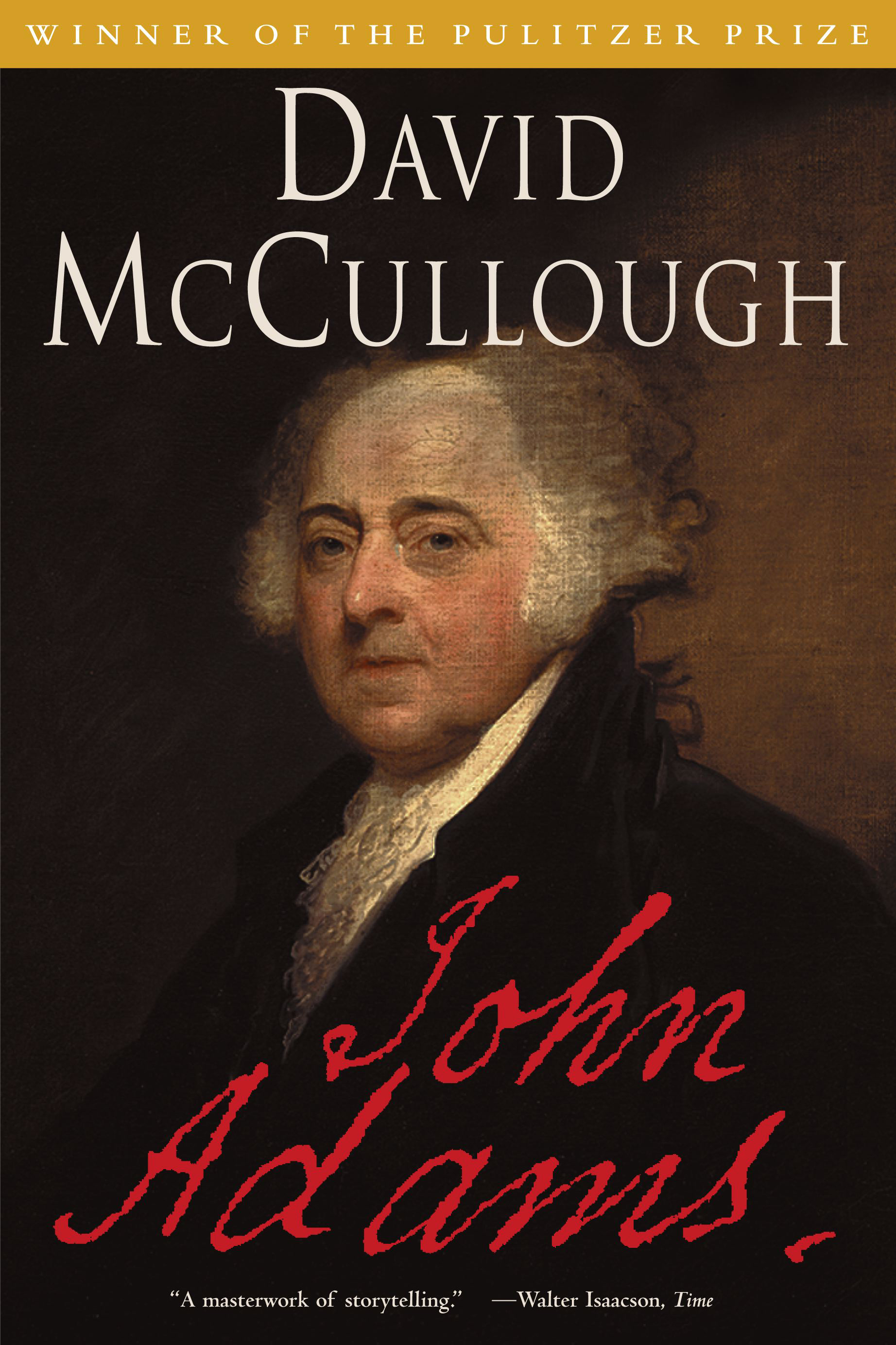
As his work on the book progressed, McCullough became increasingly intrigued with the character of John Adams. Convinced that Adams had not received his historic due, in comparison with the more celebrated Jefferson, McCullough decided to devote his entire book to Adams. The result topped The New York Times bestseller list from the week it went on sale, and won the 2002 Pulitzer Prize for Biography.
McCullough continued to explore the events and personalities of the revolutionary era in 1776. In contrast to the massive biographies for which he is best known, or the accounts of monumental enterprises such as the building of the Brooklyn Bridge or the Panama Canal, 1776 focuses tightly on the events of a single year, one that saw 13 colonies of British North America break with the mother country and commence the long and bloody struggle to form a new nation. McCullough’s account brings us closer than ever to the familiar figures of the conflict, such as George Washington and King George III, while introducing us to a larger cast of characters whose lives history has nearly overlooked, the soldiers and citizens whose sacrifices made the new republic possible. On its publication in 2005, McCullough’s 1776 received glowing reviews and became an instant bestseller.
McCullough’s next work, In the Dark Streets Shineth, focused on an even shorter period of time, the days before Christmas 1941, when the United States had just entered World War II. McCullough recounts British Prime Minister Winston Churchill’s visit to the White House of President Franklin Roosevelt, and the radio addresses they made to the nation on Christmas Eve. McCullough intertwines this tale with the story behind two songs: the Christmas carol “O Little Town of Bethlehem,” from which his book takes its title; and “I’ll Be Home for Christmas,” a poignant popular song of the era. Once again, McCullough found a unique dramatic approach to the human story inside the larger pageant of history.
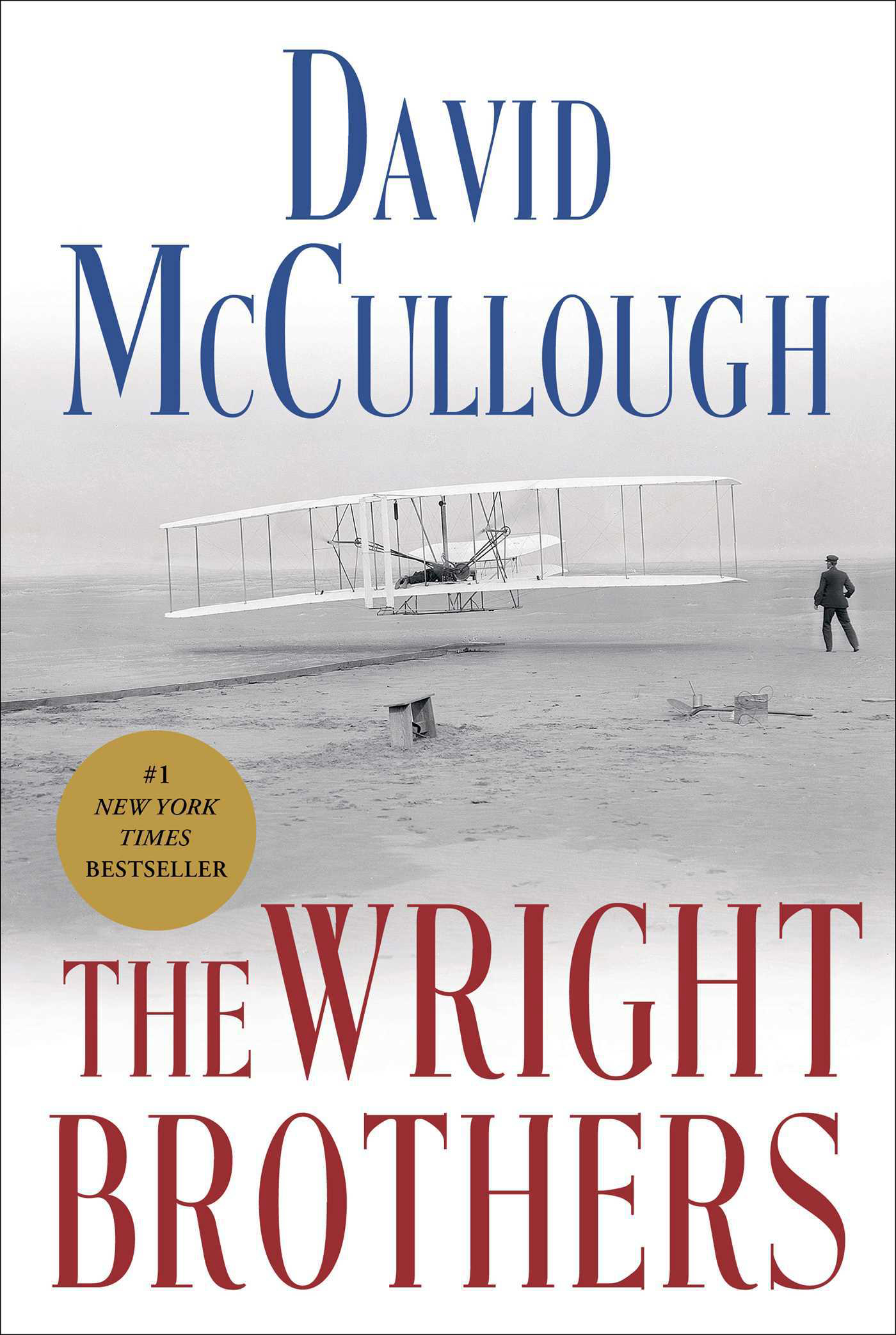
In 2011, David McCullough turned to another subject in The Greater Journey, a kaleidoscopic survey of 19th century Americans in Paris, exploring the impact of the City of Light on many of America’s most distinguished writers, artists, scientists and statesmen. McCullough was already over 80 years of age when he won some of the best reviews of his career for The Wright Brothers, the dramatic story of two unknown young men from Ohio who — without technical training or outside financing — achieved an age-old dream and taught the world to fly.
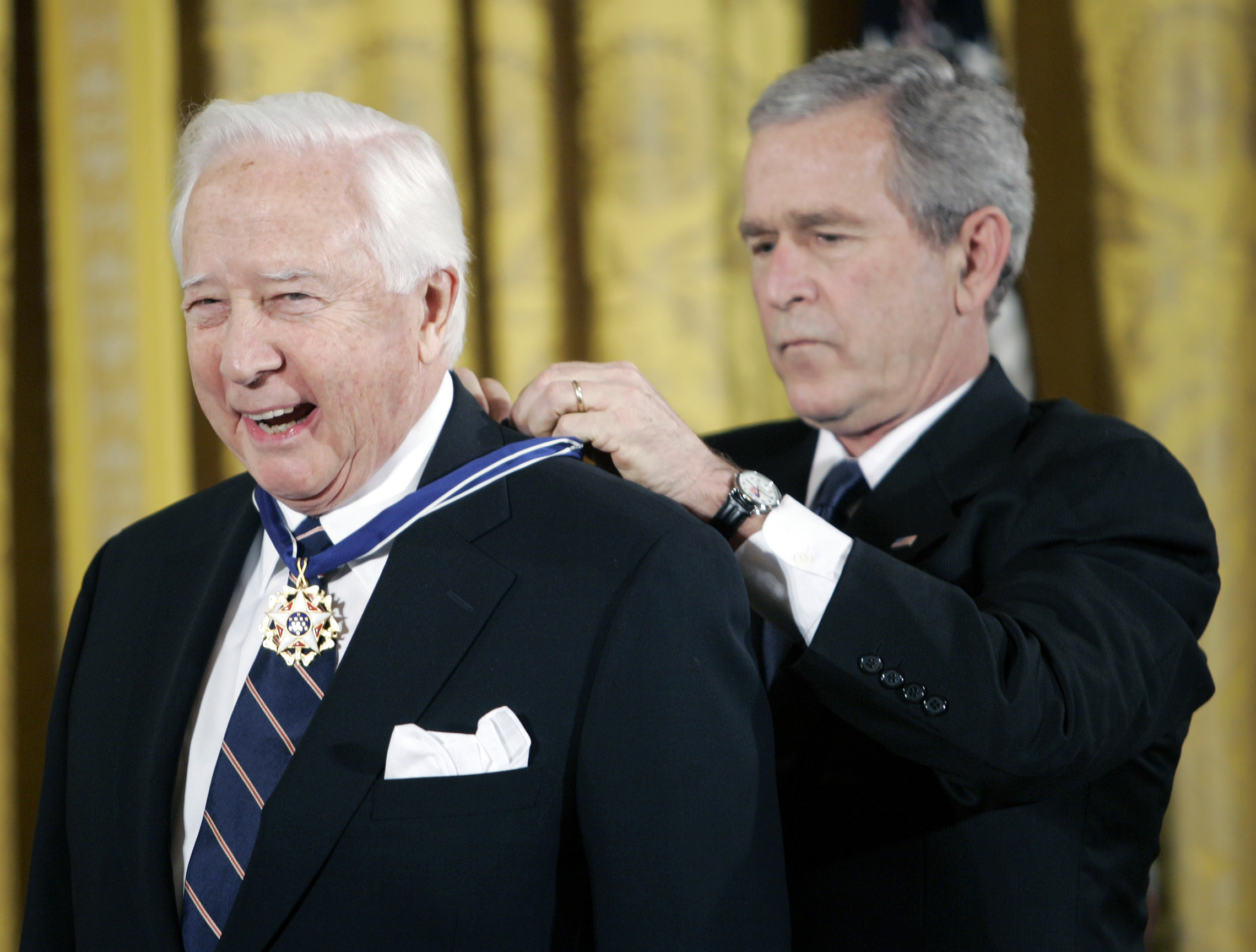
In December 2006, President George W. Bush presented David McCullough with the nation’s highest civilian honor, the Presidential Medal of Freedom, in a ceremony at the White House.
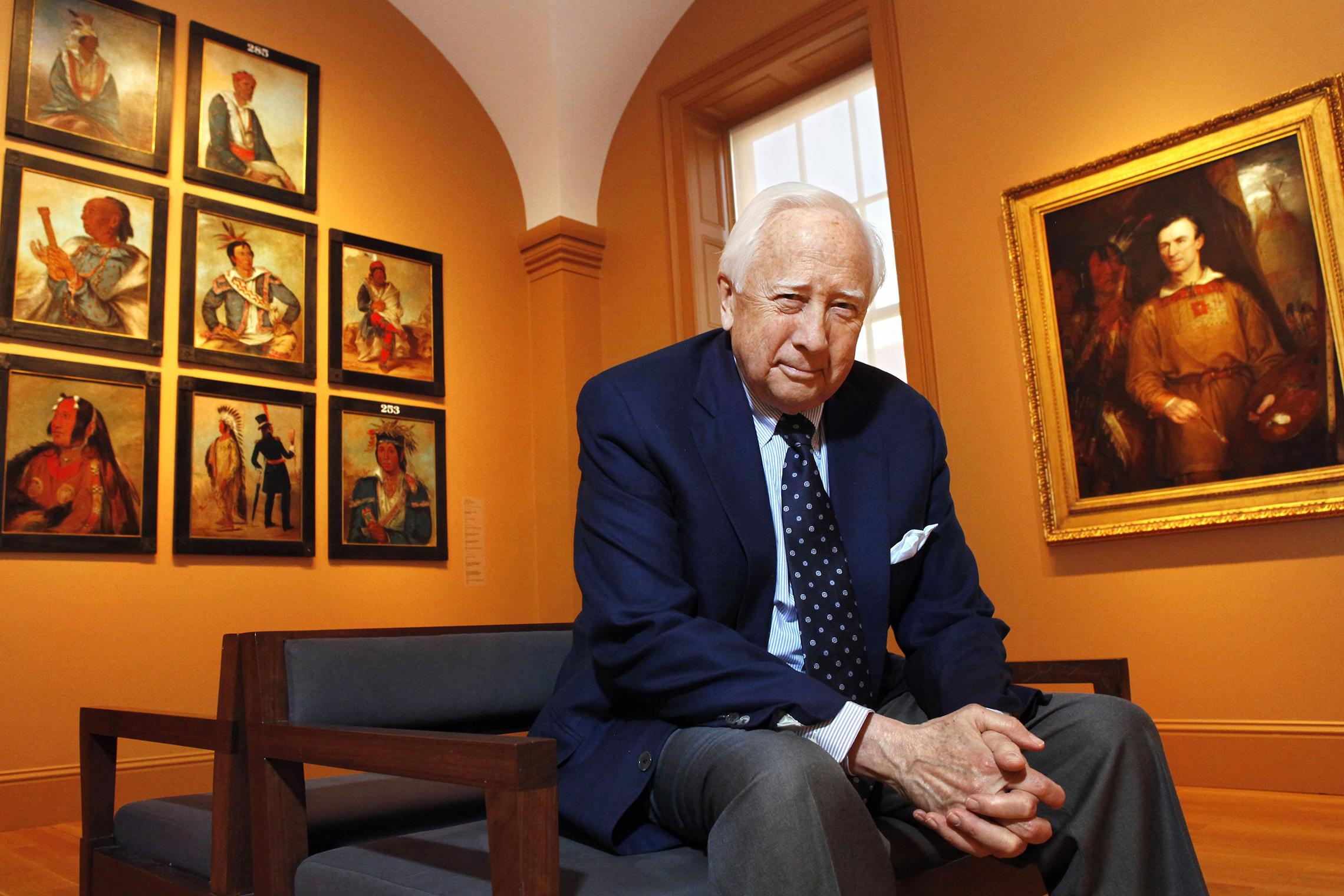
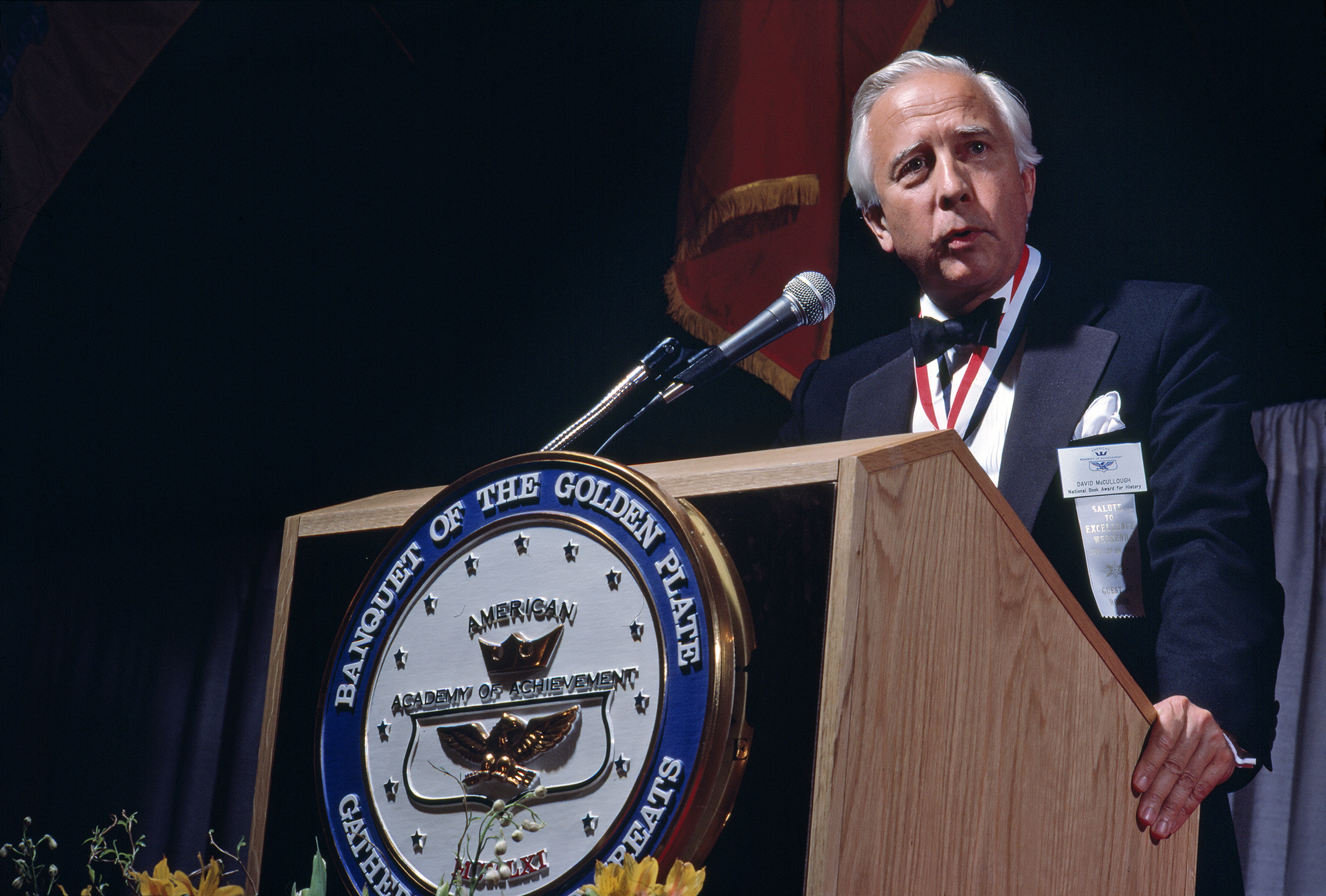
McCullough’s books and television appearances made him a uniquely recognizable authority on the American experience. A popular and eloquent public speaker, he was one of the few private citizens to speak at the White House and address a joint session of Congress. In 2017, he published a collection of his speeches, The American Spirit. In this book, subtitled Who We Are and What We Stand For, he attempted to identify principles and characteristics that remained distinctly American and reminded his countrymen of the core values that united all Americans, regardless of their regional and ethnic identities or political affiliations.
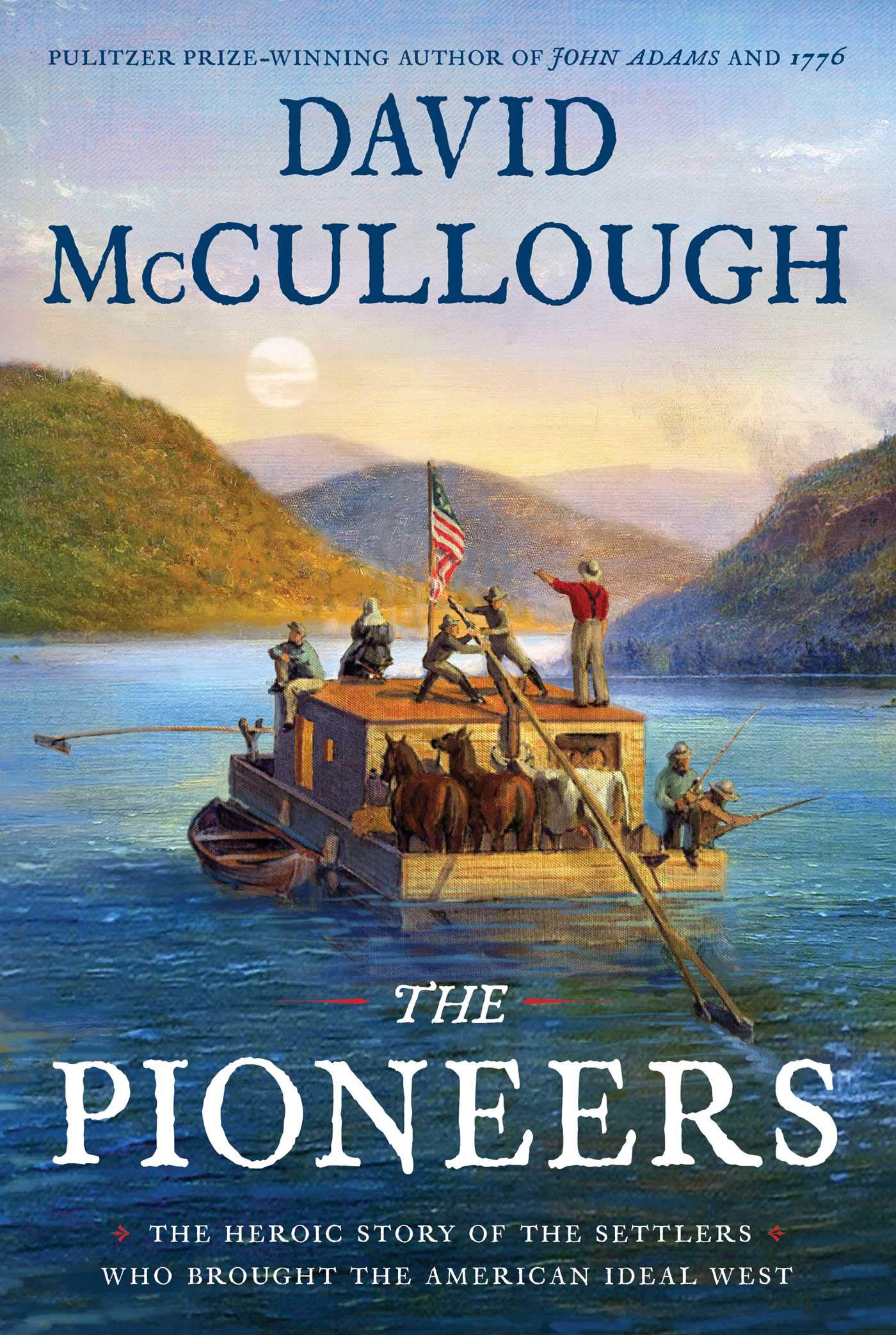
McCullough’s 2019 book, The Pioneers, focused on the settlement of the Northwest Territory (present-day Ohio, Indiana, Illinois, Michigan, and Wisconsin) from the acquisition of the territory by the newly independent United States in 1787 to 1853 when the nation’s frontier had extended to the Pacific Ocean.
David and Rosalee McCullough lived in West Tisbury, Massachusetts. They had five children and many grandchildren. McCullough wrote every day in a studio behind his house. “I would pay to do what I do,” he told an interviewer. “How could I have a better time than doing what I am doing?”
McCullough, aged 89, passed away on August 7, 2022, at his home in Hingham, Massachusetts, less than two months after his beloved wife, Rosalee.
“I used to see the old fellows in their 40s, talking about the book they were going to write someday. I was determined I was not going to be like that.”
David McCullough was encouraged by the success of his first book, The Johnstown Flood, but he was still faced with a difficult decision, to trade a steady and satisfying job for the insecurities of life as a full-time writer with a growing family to support. With his wife’s encouragement, he took the plunge and has never looked back.
Today he is a bestselling author, and one of America’s most distinguished historians. He has received not one but two Pulitzer Prizes, for John Adams and for Truman, both biographies of U.S. presidents.
He has also won two National Book Awards, for The Path Between the Seas: The Creation of the Panama Canal, and Mornings on Horseback, the story of young Theodore Roosevelt’s struggle to manhood. His voice has long been familiar to public television audiences as the narrator of The Civil War and The Great Bridge (adapted from his own book on the building of the Brooklyn Bridge); his words have brought history to life for millions.
When did you first have an idea of what you wanted to do?
David McCullough: I had many ideas of what I wanted to do. The question was, “Which one would I do?” I think I ran through the usual spectrum of imagined futures. I thought I would like to be an architect, an actor, a painter, a writer, a lawyer, for a while a politician. I considered going to medical school. I knew I didn’t want to be in business, and I knew that I wanted to get to New York as soon as I could, and once I got to New York, one thing sort of led to another. A lot depends, of course, on who you happen to meet, what your economic needs are of the moment.
When I arrived in New York, I needed a job, and I was fortunate enough to be taken on as a trainee in a brand new magazine that was just starting called Sports Illustrated. And I think now, in retrospect, that what I did in the next 12 years was to serve a kind of apprenticeship in different jobs, different magazine jobs, primarily editing, writing. And after I’d done that for about 10 or 12 years, I felt that I had reached the point where I could attempt something on my own.

We had many children by then, and I had a good job. I liked my job.
It wasn’t that I was rebelling against the imprisonment of a vocation that wasn’t for me. I liked the people I worked with. I went in every day very eager to do whatever we had to do. I was an editor then at American Heritage Publishing Company, but I had an idea for a book, and I began working on it at nights, and on weekends, and on vacations, and it took me three years. And when that book was published it had a reception — both critically and publicly, with the reading public — that was far beyond what I had expected. And at that point, I decided that I would cut loose and try it on my own. And, because I had a wonderful partner, editor-in-chief, wife, who was equally willing to take that risk — biggest risk we ever took. I did it. Had I not had someone in my life who was as willing as I was to take the step, I might not have done it.

What was that first book?
David McCullough: The first book was The Johnstown Flood. I had been an English major in college. I had no anticipation that I was going to write history, but I stumbled upon a story that I thought was powerful, exciting, and very worth telling. And I taught myself, in effect, how to do the research, how to dig out the pieces, both large and small, of the past. I discovered in the process that — contrary to the notion that the past is a dead thing — that in fact, wherever you scratch the surface, you find life. And it was the life — the people and what happened to them — that was the pull for me. I had read a lot of history, read a lot of very good writers who had chosen to write history as a kind of other territory, almost like another country. The past is another country, another part of the universe.
Who?

David McCullough: Barbara Tuchman, Bruce Catton, all in effect, in a way, what I was, which was a lapsed journalist. The work of people like Margaret Leech, for example, that wrote a wonderful book called Reveille in Washington, about life inside of the government and in Washington during the Civil War. That encouragement that one gets, that lift one gets from the books that move you and change your life! Books do change your life.
I read a wonderful account of, in an interview with Thornton Wilder, the great playwright, in a collection of interviews done by the Paris Review called, Writers at Work. I still go back and read those interviews for inspiration and understanding; these date from the late 1950s/early 1960s. And in that conversation with the interviewer…
Thornton Wilder was asked how he got the ideas for his books, and he said — or his plays — and he said, “I imagine a story that I would like to read, or see done on the stage. And if nobody has written that book or that play, I write it so that I can read it or I can see it on the stage.” Well, I wanted to be able to read a really first-rate book about the incredible story behind the disaster at Johnstown in 1889, and I found there was no such book. But having read that interview I thought, “Well, maybe you could write the book that you would like to read.” And I am convinced that the only way we ever really learn anything is by doing it.
I found that with my next book even more so.

I set out to try to understand how the Brooklyn Bridge was built — the engineering, yes, but also the human story, which is very complicated, and dramatic, and moving, and I had to teach myself the engineering involved. I found the material, the treasure house of letters and diaries stowed away in an attic. That’s supposed to be a mythic experience. That happened to me. I found all of those letters and diaries of the Roebling family, which — they were responsible for the bridge, the design and the building of the bridge — in a closet up in the attic of a library in Upstate New York, at Troy, New York, at the RPI, Rensselaer Polytechnic Institute, and the material was untouched. It hadn’t been catalogued, it hadn’t been sorted out, hundreds and thousands of items stuffed away in a big storage closet, and I had to unscramble it all. It was like the ultimate tangled fishing line that I had to slowly put back the way it was meant to be, and then I had to try and understand it, and it took the better part of several years just figuring that out. Now if I had gone to a lecture, or if I had been given a textbook, I could have absorbed what was in the lecture, I could have absorbed what was in the textbook, and I could have had it in my head long enough to take the test to pass the course. But probably six months, maybe a year, certainly six years later it would be gone out of my head. But it’s now been almost 25 years since I did the work on that project, and I could sit down and take a test on all of that and do very well right now because I had to do it myself.

What is your next passion? What is your next project?
David McCullough: I’m often asked, “What’s the favorite of all of the books you’ve written?” Well, my favorite is always the one I’m working on.
The one I’m working on now, which is now my favorite, is a book about the crisscrossing lives of Thomas Jefferson and John Adams, two immensely different men, without whom our history — our country — would be very different than it turned out, who came in a way from two different countries, because Massachusetts and Virginia in the 18th Century, were as different — or more different — than England is from France today. Two different men who had strikingly different talents, strikingly different emotional make-ups.
Jefferson was very contained, very restrained, did not want anybody to know what he truly felt, what kinds of passion was within or at odds with him — at odds within. Whereas Adams wore his emotions on his sleeve. Adams, who was very eloquent on his feet, a great speaker, a great convincer of juries and delegations at the Continental Congress; Jefferson, who couldn’t speak on his feet to save his life, a terrible public speaker, but who could express himself on paper, as few people ever have. And how they started off as friends and co-revolutionaries, ultimately became political rivals, even adversaries, in a harsh fashion nearly. Who didn’t speak to each other for years, who, in a way, were responsible for the political divisions that set up our two-party system, and who then have a great reconciliation after each has served in the presidency and become great friends, again. And correspondence! Carrying on some of the most eloquent correspondence in our history, and in our language. And who then — incredibly, unimaginably — die on the same day, and the same day is the 4th of July, 50 years to the day of the signing of the Declaration of Independence, which they created! Now, that doesn’t happen in real life. That couldn’t happen on the stage or in a movie, because nobody would believe it, but it did. How did the country react to that? It’s all part of the story, and it’s got me very excited.

I want to ask you a little bit about the technique of what you do. Do you have a regular schedule? Do you write a certain amount every day? How do you go about it?
David McCullough: Years ago, when I was first brave enough, when I’d summoned the courage to decide I was going to attempt writing a book, I met a man one night at a party. And he was an elderly fellow, and I was about 28 years old, and I had heard — his name was Harry Sinclair Drago, and he wrote Westerns — and a friend said to me, “You see that old fellow over there? That’s Harry Drago. He’s written over 100 books.” And I thought, “I’d like to talk to him.” So I went over, and I said, “Mr. Drago, I — somebody told me that you’ve written over 100 books.” He said, “Yes, that’s right.” I said, “How do you do that?” He said, “Four pages a day, that’s how you write 100 books. That’s how you write books.”

I try to do the research, up to maybe the point where I think 60-some percent of it is done, and then I begin writing. And it’s in the writing that you begin to find out what you need to know, and what you don’t know, and it’s perhaps circumstantial, but I don’t think so. I try to write four good pages a day. That’s double space, typewritten pages. I still work on a typewriter, a manual typewriter, because I love the feeling of making something with my hands. Maybe it’s because I started out as a painter and a sculptor. I like the feeling of working physically with my hands, and I also like the idea that if there is a power failure, or if something happens, that I won’t be unplugged. I can keep working. I am the power source, not that plug in the wall. And, I love it when you swing the bar, and that little bell rings. It’s like an old trolley car. And I also am superstitious about many things concerned with the craft, and I think I find most writers are — many much more so than I am. And, I’ve written all my books on that typewriter, and it probably has 250,000 miles on it now.